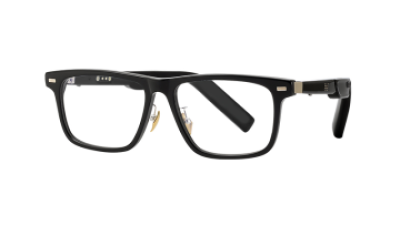
In the fast-changing world of tech, Ai-Powered Glasses are really making waves as a pretty revolutionary innovation. Dr. Emily Chen over at VisionTech Innovations once mentioned, “These glasses add an extra layer to how we see and experience things.” Honestly, this new tech is totally changing the way we look at our surroundings.
What’s cool about these glasses is how they combine super-smart AI with optical tech. So, users can get real-time info, which makes everyday stuff so much easier. Just imagine wandering around a city and getting live updates about what’s around you — sounds pretty handy, right? This slick combo of digital and real-world stuff opens up all kinds of exciting doors, whether it’s in education, healthcare, or just everyday life.
But, of course, not everyone’s just jumping in headfirst. There are some questions popping up about privacy and how much we might start to depend on these gadgets. As we get more into this tech, it’s worth stopping for a moment and thinking about what all this means for us personally. Sure, these glasses could make life more awesome, but it’s important to stay aware of the balance between convenience and privacy. The future of how we see the world looks bright — just gotta be careful as we move forward.
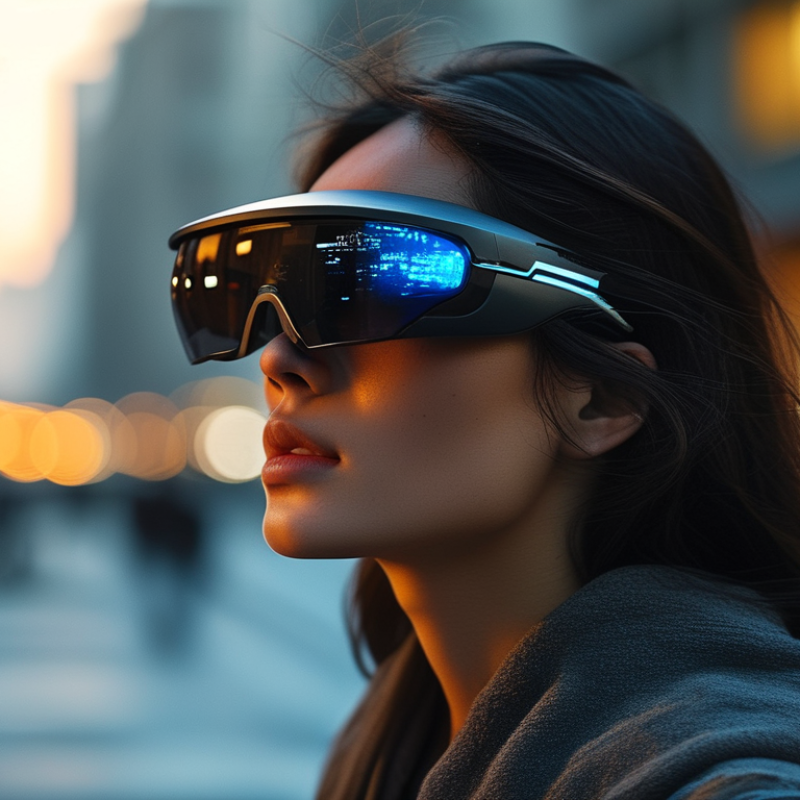
Understanding AI Powered Glasses: Definition and Functionality
Ai Powered Glasses represent a significant leap in augmented reality technology. These devices combine optics with artificial intelligence to enhance the user's vision. Research indicates that the global AI-powered eyewear market could reach $11 billion by 2025, reflecting a high demand for innovative visual solutions.
Functionality is key. AI-powered glasses can recognize faces, provide navigation directions, and display real-time information. Users receive contextual data directly through their lenses. This integration allows for a more immersive experience in daily life. However, the technology is still developing. Users must adapt to potential limitations, such as battery life and processing speed.
Tips: Always check for software updates. Keeping your device current enhances functionality. Consider adjusting your environment when using these glasses. Lighting conditions can affect the effectiveness of augmented visuals. While the prospects are promising, users should remain critical of the technology’s current capabilities and how it fits into personal needs. AI in eyewear is evolving, but it requires careful consideration.
The Technology Behind AI Powered Glasses: Key Innovations Explained
AI-powered glasses represent a significant leap in vision technology. These innovative devices integrate artificial intelligence to enhance visual experiences. They can recognize faces, read text aloud, and even translate languages in real-time. This fusion of AI and optics not only aids those with visual impairments but also enriches daily life for many.
Key innovations drive the functionality of AI-powered glasses. For instance, computer vision algorithms allow the glasses to interpret and analyze images instantly. This means users can receive information about their surroundings without needing to consult a smartphone or other device. Such technology raises questions about privacy and data security. If these glasses can recognize faces, where do we draw the line on surveillance?
Another factor is the user interface, which often prioritizes seamless interaction. Voice commands and gesture controls are common, making them accessible for diverse users. However, there are challenges. Battery life, for example, often limits practical usage. People may find themselves charging their glasses frequently, which can be an inconvenience. Continual improvements are crucial in addressing such real-world concerns.
Applications of AI Powered Glasses in Daily Life and Industry
AI-powered glasses are revolutionizing how we perceive the world. They integrate advanced technology with daily activities, enhancing both personal and professional experiences. According to a report by MarketsandMarkets, the augmented reality (AR) glasses market is projected to reach $6.2 billion by 2025, highlighting the growing interest and investment in this area.
In daily life, these glasses can assist with navigation, face recognition, and information display. For instance, users can see real-time directions overlaid onto their environment, improving wayfinding in complex cities. In a study by Statista, 37% of participants indicated they would use AR glasses for shopping and product trials, illustrating their potential to change retail experiences. However, challenges remain regarding user privacy and data security, necessitating ongoing scrutiny of how these technologies are implemented.
Industries like healthcare and manufacturing also benefit significantly from AI-powered glasses. Surgeons can access critical patient data directly in their field of vision. A survey by Deloitte found that 60% of tech professionals believe augmented reality will enhance workplace efficiency. But the technology must address usability issues and ensure seamless integration into workflows. Continuous feedback will be essential to refine these applications and enhance user experience.
Applications of AI Powered Glasses in Daily Life and Industry
Benefits of AI Enabled Vision Correction and Enhancement
AI-powered glasses represent a significant leap in vision correction and enhancement. By integrating artificial intelligence, these glasses can analyze visual information in real-time. They assist users with various vision impairments, providing personalized visual experiences. Imagine walking through a bustling city while your glasses enhance contrast and reduce glare. This feature can greatly improve safety and comfort.
The benefits of AI-enabled vision correction extend beyond basic functionality. Users can experience adaptive focus and smart notifications that alert them to important visual cues. These glasses can identify faces and objects, making everyday interactions easier. However, challenges remain. Data privacy is a concern. Users must trust that their visual data is secure. Moreover, the technology can be overwhelming for some individuals, especially those unfamiliar with digital devices.
In addition to practical benefits, AI-powered glasses can also create new social dynamics. They can foster independence for those with visual impairments. Yet, the reliance on technology can lead to issues of dependency. Balancing technology use and personal interaction is vital. As this technology evolves, ongoing discussions about ethics and social impact are essential.
Challenges and Limitations of AI Powered Glasses in Practical Use
AI-powered glasses represent a significant leap in vision technology, yet they face several challenges in real-world application. One major limitation is the reliance on stable connectivity. Without a strong internet connection, the smart features may fail. This limitation can impact user experience and technical performance.
Another issue is the battery life. Users may find that constant usage leads to quick depletion of power. This can be frustrating, especially when navigating or accessing real-time information during extended periods. The weight and design of these glasses also pose potential comfort issues. Wearers might experience discomfort after prolonged use. It’s essential to find a balance between technology and wearability.
Tips: Ensure to charge your AI glasses regularly. Regular updates can help improve functionality and performance. It’s also wise to check compatibility with your devices before purchase. Understanding these limitations can guide potential users in making more informed choices. Embracing the technology requires recognizing its boundaries.
Future Trends: The Evolution of AI Powered Eye Wear Technology
AI-powered glasses are poised to reshape how we perceive the world. These innovative devices integrate machine learning and augmented reality. They can enhance vision by providing real-time information. Imagine receiving notifications or navigation cues directly in your field of view. This technology could bridge gaps for the visually impaired, offering assistive features that adjust to individual needs.
As trends evolve, we see a push toward more seamless integration. Future advancements may allow for broader applications. Text recognition and facial recognition could become commonplace. Social interaction might shift, as these glasses could facilitate connections through augmented layers of information. However, ethical implications loom. Privacy concerns arise with constant data collection. Users might face distractions in everyday tasks.
The path ahead is exciting yet complex. New designs are emerging, promising lighter frames and longer battery life. User feedback remains crucial to refine these products. Potential limitations must be addressed. Are we ready for a society where our vision is enhanced by AI? The evolution of eyewear technology continues, and we must tread carefully as we embrace these changes.
Ethical Considerations Surrounding AI Powered Glasses and User Privacy
The rise of AI-powered glasses brings significant changes but raises pressing ethical concerns. These glasses can enhance vision through augmented reality, providing real-time information. However, the technology might collect personal data, such as eye movements and interaction patterns. This data collection can lead to privacy issues, as users may unknowingly share intimate details of their lives.
User privacy is a critical concern in this space. The glasses might track sensitive information, especially in public settings. Wearers often aren't aware of how their data is used or stored. Ethical discussions should focus on transparency. Companies must be clear about data usage, ensuring users can make informed choices.
There’s also the risk of surveillance. AI-powered glasses can potentially record events without consent, raising questions about ethical boundaries. Users must weigh convenience against privacy risks. Society needs to reflect on how we balance technological advancements with safeguarding individual rights. These considerations are essential to ensure that technology serves us without infringing on our fundamental freedoms.
Exploring the Future of Wearable Technology: A Deep Dive into the JT008 Smart Bluetooth Audio Glasses Market and Consumer Preferences
The rise of wearable technology is transforming the way we interact with gadgets in our daily lives. Among these innovations, smart glasses equipped with Bluetooth audio capabilities stand out, offering users both convenience and a seamless auditory experience. As consumers become increasingly interested in multifunctional devices, the JT008 Smart Bluetooth Audio Glasses have emerged as a compelling option. These glasses combine stylish eyewear with high-quality audio performance, appealing to a demographic that values both aesthetics and functionality.
In exploring consumer preferences surrounding the JT008 model, it becomes evident that many people prioritize comfort and compatibility. Features such as lightweight materials and ergonomic designs are key factors driving purchasing decisions. Additionally, the ability to connect to various devices enhances the user experience, allowing individuals to enjoy music or take calls while on the move. With battery life and sound quality also being pivotal in consumer choice, it is clear that the future of wearable technology lies in devices that not only meet practical needs but also integrate smoothly into a modern lifestyle.
As this market continues to evolve, understanding consumer preferences is essential for innovation. The JT008 Smart Bluetooth Audio Glasses serve as a window into how wearable technology can enhance daily activities, blending utility with style to create products that resonate with today’s tech-savvy users.
FAQS
They recognize faces, provide navigation, and show real-time information directly on the lenses.
They offer personalized visual experiences, like enhancing contrast and reducing glare in various environments.
Users should check for software updates and adjust their surroundings, as lighting affects visual effectiveness.
Yes, battery life, processing speed, and data privacy are concerns. Users need to be aware of these limitations.
They can enhance independence for visually impaired individuals but may also lead to technology dependency.
Not necessarily, as some users may feel overwhelmed, especially those less familiar with digital devices.
Yes, it's projected to reach $11 billion by 2025, indicating a strong demand for innovative visual solutions.
Users must consider data privacy risks and trust that their information is kept secure.
Ongoing discussions about ethics and social impact are vital as technology continues to evolve.
Conclusion
AI-Powered Glasses are an innovative technology that combines artificial intelligence with eyewear to enhance vision and provide a range of functionalities. These glasses are designed to analyze the environment and improve visual experiences through features such as real-time translation, object recognition, and augmented reality displays. Their applications span various sectors, including daily life, healthcare, and industrial settings, offering benefits like enhanced vision correction and situational awareness.
Despite their advantages, AI-Powered Glasses face challenges such as limitations in technology, user adaptation issues, and concerns regarding privacy and data security. As the field evolves, the future promises further advancements in AI-driven eyewear, raising important ethical questions about the balance between innovation and user privacy. Overall, AI-Powered Glasses represent a significant leap forward in how we perceive and interact with the world.
 Smart Glasses
 Smart Ring
 Smart Locator


 +86 18927400980