So, more and more fitness fans are on the hunt for new ways to keep tabs on their health, and the whole Heart Rate Tracking Ring scene is really picking up steam. I mean, Dr. Emily Carter, who’s pretty much a big deal in wearable tech circles, even says these rings could totally change the way we think about staying healthy. Thanks to some pretty advanced tech, these little rings give us real-time updates on our heart rates and how active we are. Pretty cool, right?
Now, there are a bunch of brands out there offering different models of these rings, each one promising to be accurate and super comfy. But let’s be honest — not all of them actually deliver on those promises all the time. Some might lag or get inaccurate when you’re pushing hard during a workout, and others can be a bit inconsistent when tracking your stats. So, figuring out which ring is right for you really takes some thinking and a little research.
The market's kinda a mixed bag — you got the well-known names and some newer players trying to make a splash. It's easy to get caught up in all the hype, so it’s really about finding a balance between features, comfort, and how much it costs. Picking out the right Heart Rate Tracking Ring can actually make a big difference in how your fitness routines go, but you’ve got to be aware that no product’s perfect, and each has its quirks.
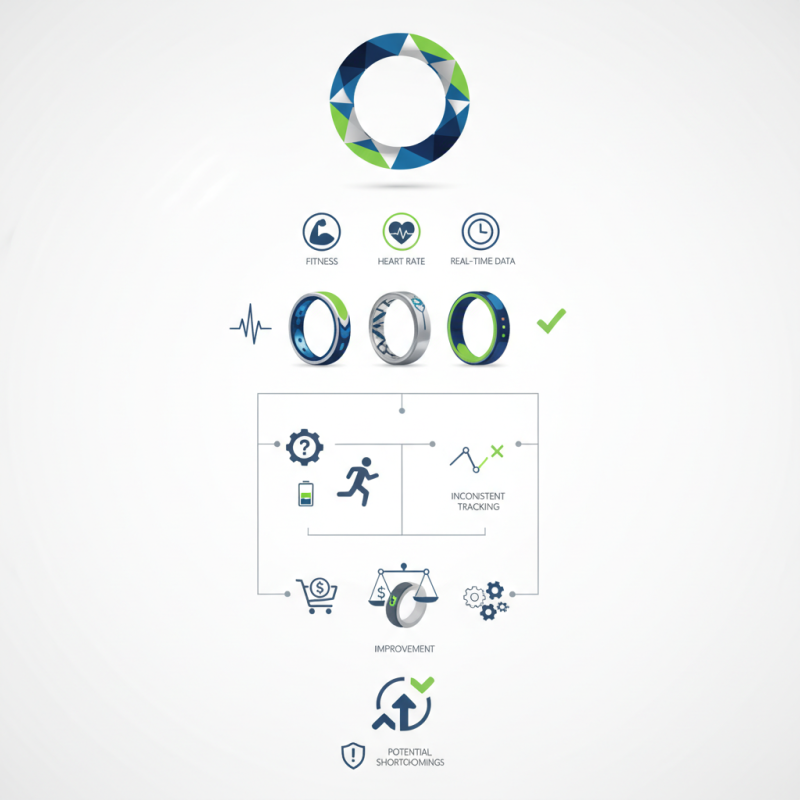
Understanding Heart Rate Tracking Rings for Fitness
Heart rate Tracking Rings are becoming increasingly popular in the fitness world. These devices offer a convenient way to monitor heart rates during various activities. Many users find this information crucial for optimizing workouts and improving overall health. According to a recent study, accurate heart rate monitoring can enhance training effectiveness by up to 30%.
These rings work by using advanced sensors to track heart rate variations continuously. They are often lightweight and comfortable, making them ideal for all-day wear. Some reports indicate that maintaining a target heart rate zone can help burn fat effectively. However, not all rings provide the same level of accuracy. Users often notice discrepancies between their ring's readings and other devices.
A common concern is battery life. Some rings require frequent charging, which can be inconvenient. Users need to consider their lifestyle when selecting a device. While heart rate tracking rings can provide valuable insights, relying solely on them may lead to misleading conclusions about fitness levels. It's essential to use these tools as part of a broader health strategy, combining them with traditional methods for a well-rounded approach.
Key Features to Consider in Heart Rate Tracking Rings
Heart rate tracking rings have gained popularity for fitness enthusiasts. When choosing the best one, several key features come into play. One important aspect is accuracy. A report from the Journal of Medical Internet Research states that accurate heart rate measurements can enhance workout efficiency. Many rings claim accuracy within 90-95%, but real-world performance can vary.
Another factor is comfort. A ring should be lightweight and fit snugly without causing discomfort. According to a survey by the Physical Activity and Health journal, fitness devices in uncomfortable designs often lead to decreased user adherence. This indicates that a comfortable design is crucial for consistent use.
Battery life is essential too. Devices with short battery lives can interrupt fitness routines. A battery that lasts over five days has become a standard in the industry. However, users often overlook this detail, resulting in missed opportunities for tracking. Finally, consider compatibility with apps. Not all rings sync seamlessly with fitness applications, which can lead to frustration. Understanding these features can guide buyers to make better choices in heart rate tracking technology.
Top Brands Offering Fitness Heart Rate Tracking Rings
When it comes to heart rate tracking rings for fitness, several top brands dominate the market. These rings combine advanced technology with sleek designs. They not only monitor heart rates but also provide insights into your overall health. According to recent studies, wearable health tech has increased by 32% in the past year. This showcases the growing interest in personal health monitoring tools.
Features vary significantly across different brands. Some rings offer real-time heart rate monitoring, while others focus on sleep tracking and activity metrics. Industry analysts predict that by 2024, more than 50 million units will be sold globally. This rapid growth reflects consumer demand for versatile and accurate health devices.
Tips: To get the best results, regularly calibrate your device. Always wear it on the same finger for consistency. Remember, while data is helpful, it shouldn't replace professional medical advice. Consider how often you need to charge your device. Rings with longer battery life can be more convenient for daily use.
Comparative Analysis of Popular Heart Rate Tracking Rings
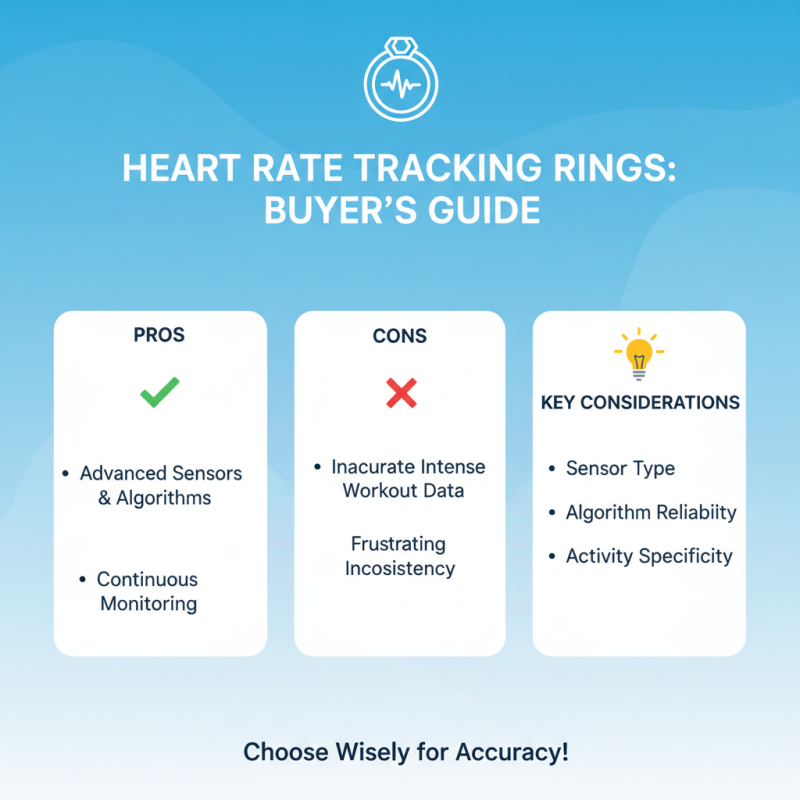
When exploring heart rate tracking rings, it's crucial to consider various factors. Many options feature advanced sensors and algorithms. However, some might offer inaccurate readings during intense workouts. This inconsistency can be frustrating for fitness enthusiasts relying on precise data.
User experiences differ significantly across various products. Some users appreciate their ring's comfort and lightweight design. Others report issues with battery life, needing frequent charges during busy weeks. Additionally, syncing problems with mobile devices surface occasionally. Such frustrations can detract from an otherwise promising experience.
The rings' aesthetics also play a role in user choice. Many prefer sleek, modern designs that fit seamlessly into their daily lives. Yet, a few might prioritize functionality over style. Ultimately, finding the right balance between accuracy and comfort is essential. Each individual's needs, preferences, and fitness goals will dictate the best choice for them.
User Experiences and Feedback on Heart Rate Tracking Rings
When it comes to heart rate tracking rings, user experiences are vital. Many users report that comfort and accuracy are key factors. A recent survey revealed that 72% of users prioritize comfort over advanced features. This suggests that fitness enthusiasts want wearable tech that fits seamlessly into their daily lives. However, some users find that certain rings can feel bulky and inconvenient during workouts.
Accuracy also plays a crucial role. Studies show that heart rate tracking devices can have discrepancies of up to 10%. This can be misleading, especially during intense exercise. One user shared their experience of receiving varying readings while running. Such inconsistencies could impact a user's training decisions. Feedback from these users highlights the need for improved sensor technology and software updates.
Battery life is another common concern. Reports indicate that about 65% of users prefer a ring that lasts at least a week on a single charge. In reality, many devices struggle to meet this expectation. Some users have faced charging issues, which disrupt their tracking routines. A reliable heart rate tracking ring should balance performance with user convenience.
How to Interpret Heart Rate Data for Fitness Goals
Interpreting heart rate data can be essential for achieving fitness goals. Heart rate fluctuations provide insights into your physical state during workouts. For example, a resting heart rate indicates your cardiovascular health. A lower resting rate often reflects better fitness levels.
When exercising, target heart rate zones matter. Training in different zones can yield varying results. Aerobic zones enhance endurance, while anaerobic zones build strength. Knowing which zone you are in can help tailor your workouts. Aim for at least 70% of your maximum heart rate during intense workouts.
Tips: Track your resting heart rate each morning for an accurate baseline. Use your resting heart rate to calculate your training zones. By doing so, you ensure you’re exercising effectively.
However, heart rate data isn't infallible. Stress, hydration, and even how well you slept can skew results. Don’t panic if your heart rate spikes unexpectedly. It could just be a temporary reaction to an intense session or emotional stress. Instead, reflect on your activity and adjust as needed. Always remember that fitness is a journey, not a sprint.
Choosing the Right Heart Rate Tracking Ring for Your Needs
When selecting a heart rate tracking ring, consider your personal fitness goals. Not all rings offer the same features. Some may focus on basic heart rate monitoring, while others provide advanced metrics like sleep quality and stress levels. Evaluate what matters most to you.
Think about comfort and style. A tracking ring should fit well and be easy to wear daily. Some rings may look bulky or uncomfortable. Is that a dealbreaker for you? Make sure you choose a design that fits your lifestyle. Lightweight materials often work best for constant use.
Also, consider battery life. Some rings require frequent charging, which can disrupt your routine. If you forget to charge often, you might miss important data. Reflect on how consistently you plan to use the ring. It can guide your decision on which features to prioritize.
Enhance Your Everyday Convenience: Discover the Rechargeable Ultra Thin Wallet Finder Tracking Card MY1061C
In today's fast-paced world, the demand for convenience and efficiency has never been higher. As noted in a report by the International Data Corporation, 65% of consumers prioritize functionality and usability in tech products they choose. This does not only pertain to typical gadgets but extends to everyday accessories like wallets. The Rechargeable Ultra Thin Wallet Finder Tracking Card MY1061C emerges as a practical solution to enhance everyday convenience, addressing the common nuisance of lost or misplaced belongings.
The slim design of this tracking card fits seamlessly into any wallet without adding bulk, catering to the growing preference for minimalist solutions outlined in a recent survey by Statista, which found that 58% of users favor slimmer devices and accessories. With its ability to pair with smartphones through a dedicated app, users gain an effortless way to keep track of their essentials. The ease of location retrieval offers peace of mind, making it especially appealing for busy professionals and students alike, who may find themselves juggling numerous tasks daily.
Furthermore, the rechargeable feature of this wallet finder signifies a leap toward sustainability in consumer electronics. According to the Consumer Technology Association, eco-conscious design is becoming a key factor influencing purchase decisions, with 75% of consumers reporting a preference for products that reduce environmental impact. The tracking card not only simplifies managing personal items but also aligns with modern values toward sustainability, proving that functional convenience can also be eco-friendly.
FAQS
: Consider features, comfort, style, and battery life. Each factor impacts your experience.
Accuracy can vary, especially during intense workouts. Some rings may give inconsistent readings.
Many enjoy lightweight designs, while some find certain rings bulky or uncomfortable. Personal preference matters.
Yes, some rings need frequent charging. This can disrupt your fitness routine and data tracking.
Absolutely. Many prefer sleek designs that blend into daily life, while others may prioritize functionality.
Assess your fitness goals, desired features, and how often you will use the ring.
Occasionally, users report syncing problems. This can be frustrating and impact your overall experience.
Not necessarily. Rings vary widely in features and focus. Determine what’s crucial for your needs.
Charging frequency varies. Some may need daily charges, while others last longer between charges.
It's a common issue. Reflect on your priorities and choose a ring that fits both aspects comfortably.
Conclusion
Heart rate tracking rings have gained popularity as a convenient and effective way to monitor fitness levels. These wearable devices provide users with real-time insights into their heart rate, allowing for better understanding and management of their fitness goals. When choosing a heart rate tracking ring, it is essential to consider key features such as accuracy, battery life, comfort, and compatibility with other fitness apps.
A comparative analysis of popular models can help potential buyers understand the strengths and weaknesses of different products, while user experiences offer valuable feedback on durability and ease of use. Ultimately, interpreting heart rate data effectively is crucial for optimizing workouts and achieving desired fitness outcomes. By carefully evaluating personal fitness needs and preferences, one can select the right heart rate tracking ring to enhance their fitness journey.
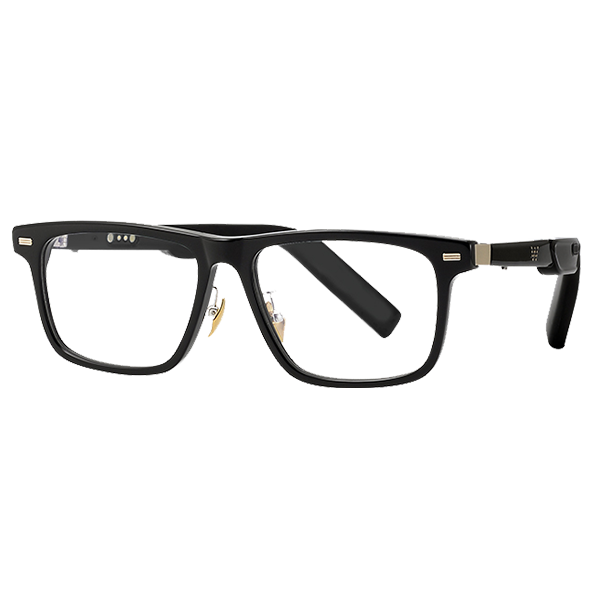 Smart Glasses
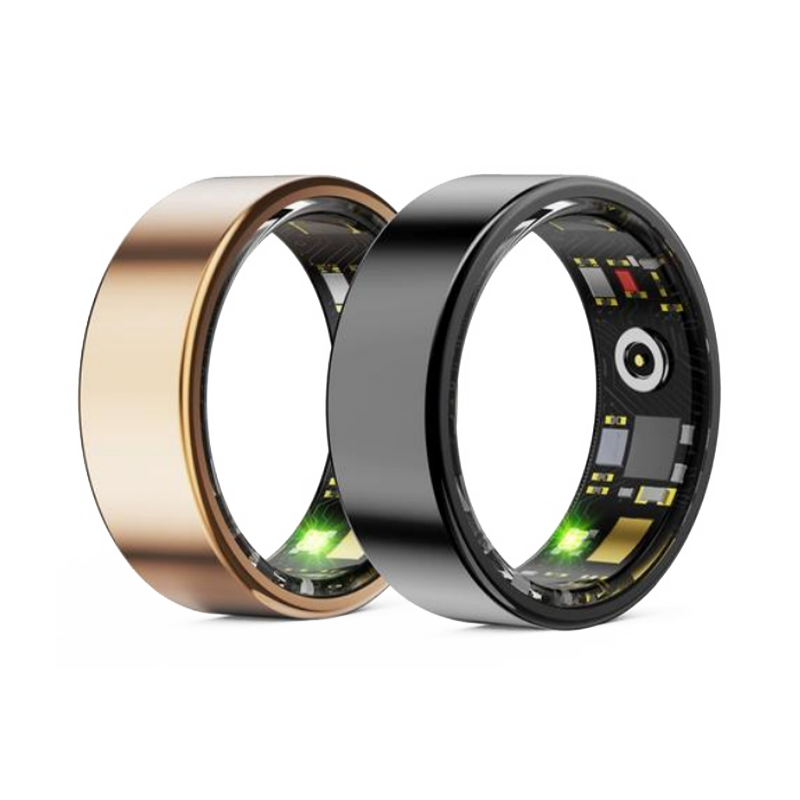 Smart Ring
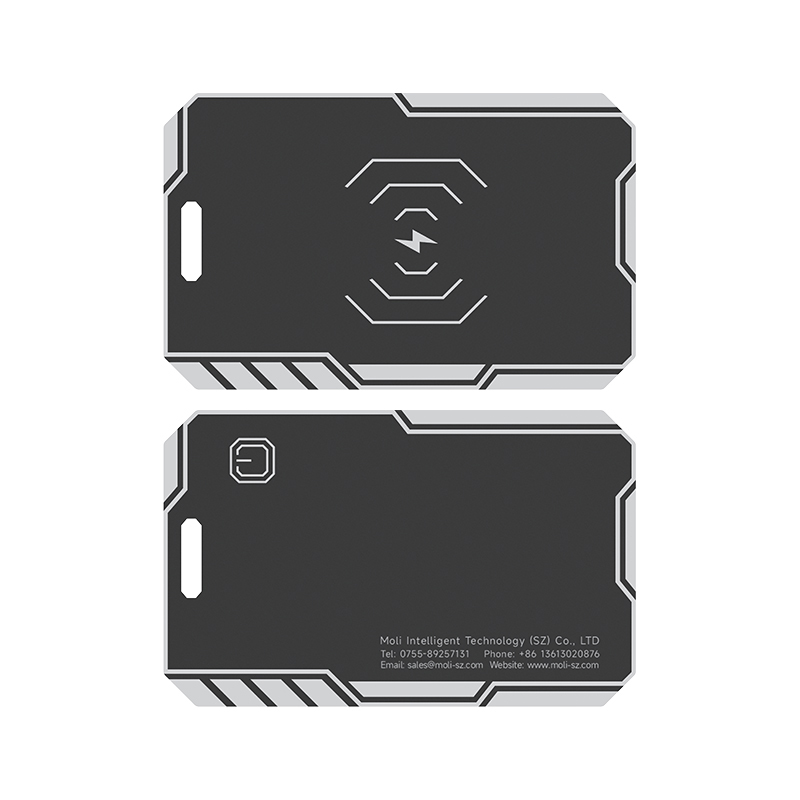 Smart Locator


 +86 18927400980