+86 18927400980 

Smart ring tech has really started to shake things up in the world of wearable gadgets. Dr. Emily Chang, who’s pretty much a go-to expert in this field at Innovative Wearables Inc., says, "Smart rings can actually make everyday life easier and help you get things done faster." It’s kinda cool because this tech mixes style with practicality, which definitely appeals to folks living in the modern world.
These rings aren’t just about looks—they come packed with features like fitness tracking, contactless payments, and getting notifications without reaching into your pocket. They’re subtle but still super useful, slipping right into your daily routine without a fuss. But, of course, it’s natural to wonder—are they secure enough to handle sensitive info? As this tech keeps getting better, making sure it’s reliable will be a big deal.
Looking into what smart rings can do, you realize there’s a lot of potential. But we still gotta see how they perform in real life. With experts like Dr. Chang leading the charge, the future of these rings feels both exciting and a little bit uncertain. It’ll be interesting to see how it all plays out.

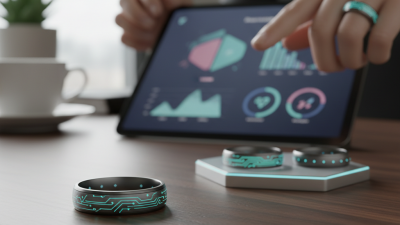
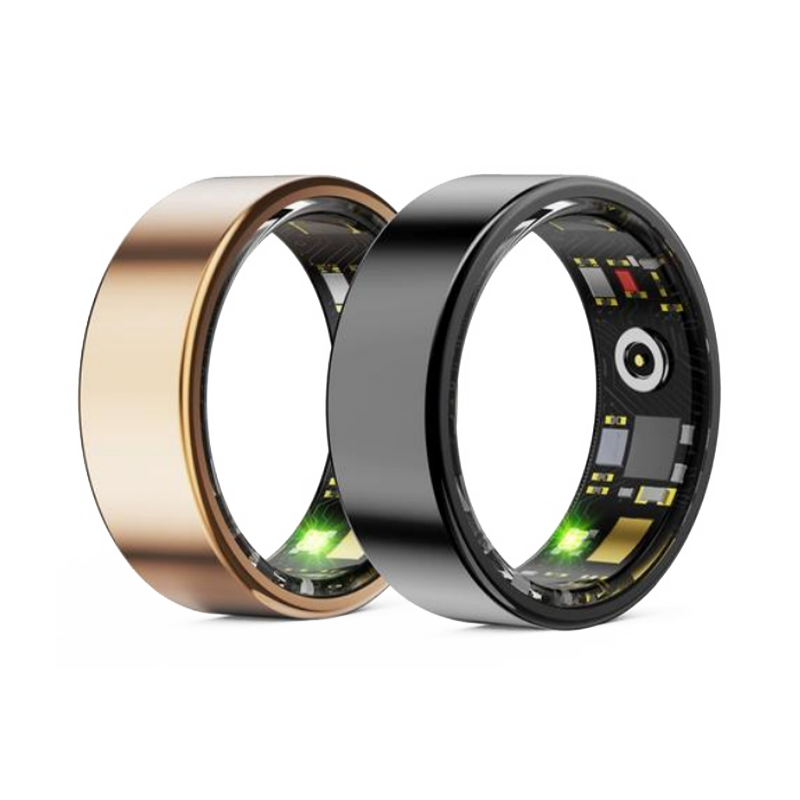
Smart Ring Technology is an innovative advancement in wearable devices. These rings are equipped with sensors that track various health metrics. Users can monitor their heart rate, sleep patterns, and activity levels with ease. A compact form factor makes them convenient to wear throughout the day and night.
Tips for choosing A Smart Ring: Look for rings that offer compatibility with your smartphone. Ensure they have a good battery life and accurate sensors. Not all smart rings are equal; some may prioritize fashion over functionality. It's crucial to find one that meets your specific needs.
Consider this: not everyone finds smart rings comfortable. Some may feel odd wearing a ring with technology. Reflect on your daily habits before deciding if a smart ring fits into your lifestyle. Many users appreciate the subtle notifications they receive, but it may take time to adapt. Smart rings indeed offer cool features, but their practicality varies based on individual preferences.
| Feature | Description | Benefits |
|---|---|---|
| Health Monitoring | Tracks heart rate, sleep patterns, and physical activity. | Helps maintain a healthy lifestyle and detect potential health issues early. |
| Contactless Payments | Supports payment options through NFC technology. | Provides convenience by enabling quick and secure transactions. |
| Notifications | Alerts users about calls, messages, and reminders. | Keeps users connected without the need to check their phones constantly. |
| Customization | Offers various designs and features tailored to individual preferences. | Allows users to express their style while enjoying high-tech functionality. |
| Fitness Tracking | Monitors steps, calories burned, and workout sessions. | Enhances fitness routines and encourages users to stay active. |
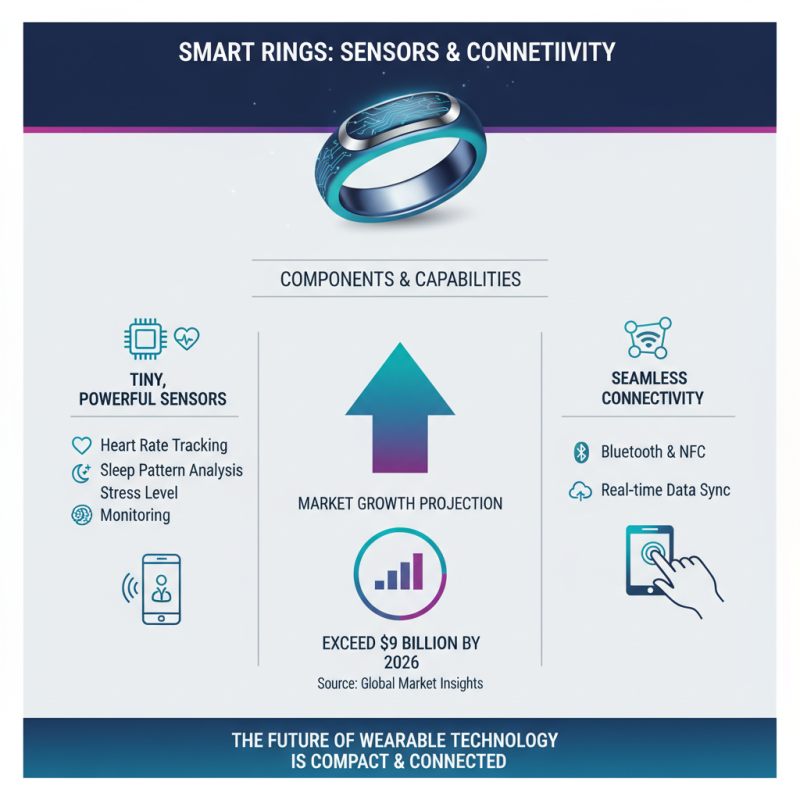
Smart rings have become a significant component of wearables, thanks to their tiny yet powerful sensors and connectivity capabilities. These devices can track health metrics such as heart rate, sleep patterns, and even stress levels. A report by Global Market Insights suggests that The Smart Ring market could exceed $9 billion by 2026, reflecting a growing interest in this compact technology.
The sensors within smart rings play a crucial role in capturing data. Motion sensors assess physical activity, while biometric sensors monitor health indicators. This data is then transmitted via Bluetooth or other wireless formats to smartphones or health apps. According to a recent study, 70% of users prefer wearable technology for its convenience and real-time monitoring. However, challenges remain. Some users report issues with accuracy, especially when comparing smart rings to dedicated medical devices.
Connectivity adds another layer of functionality. Smart rings can integrate with smart home systems, enabling users to control devices with a simple gesture. Yet, this feature raises questions about privacy and data security. A survey indicated that 60% of consumers are concerned about how their data is used. The utility of smart ring technology is evident, but users must consider potential trade-offs.
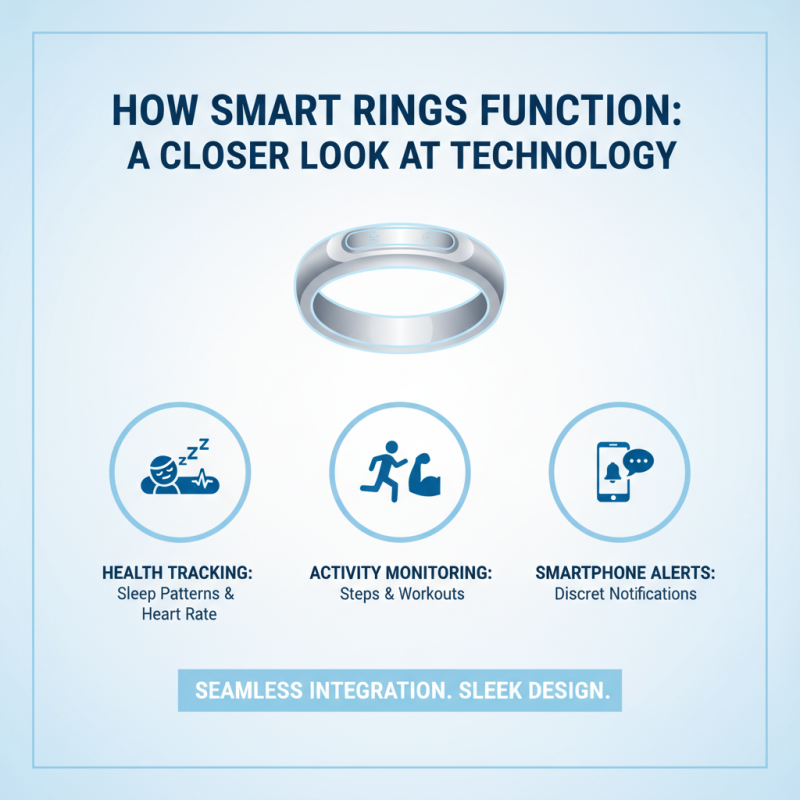
Smart ring technology represents a notable advancement in wearable devices. These rings combine sleek design with high functionality. They are equipped with sensors that track various health metrics and activities, seamlessly integrating into users' daily lives. Users can monitor sleep patterns and heart rate with ease. Notifications from smartphones are also relayed discreetly, allowing for effective communication without constant phone checks.
The technology behind smart rings is fascinating. They typically utilize Bluetooth to connect with smartphones. This connection enables data transfer and real-time updates. The compact size of smart rings provides convenience and ease of wear, making them suitable for any occasion. However, battery life can be a limitation. Frequent charging may become a chore for some.
Despite their benefits, potential users should approach with caution. Accuracy of data may vary across different conditions. User experience may differ based on individual lifestyle and environment. Enhanced features sometimes come at the expense of user-friendliness. Testing the device in real-life scenarios can help assess its effectiveness. Consideration of personal needs is crucial before adopting this technology fully.
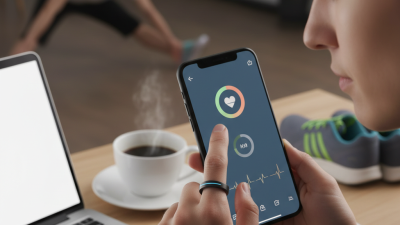
Smart ring technology is revolutionizing how we monitor our health and fitness. These sleek devices sit comfortably on your finger, yet they pack a powerful punch. Smart rings can track metrics like heart rate, sleep patterns, and daily activity levels. This data allows users to make informed decisions about their health.
Consider setting specific fitness goals based on the insights from your smart ring. This approach can enhance your engagement. For instance, if your ring shows a decline in sleep quality, it might be time to evaluate your nighttime habits. Small changes, like adjusting your bedtime, can yield significant benefits. Listen to your body and let the data guide you.
It’s important to note that while smart rings are effective, they are not infallible. Data accuracy can vary. Regularly cross-checking metrics with established health guidelines can help validate the results. Some might find that the constant data flow can be overwhelming. Taking breaks from the insights might also be essential for mental well-being. Embrace the technology but remain mindful of its limitations.
Smart rings are becoming a popular accessory for seamless communication. These devices allow users to receive notifications and alerts directly on their fingers. Imagine feeling a gentle vibration for a message while your phone rests quietly on the table. This discreet method of communication can enhance productivity, especially during meetings or social gatherings.
With smart rings, you won’t miss important calls or messages. The customizable alerts can be tailored to your preferences. For instance, you might choose specific vibrations for texts from family and different ones for work notifications. This helps prioritize communication without the constant need to check your phone. However, there can be a downside. Some users find these alerts distracting, leading to a lose-focus situation.
While smart rings offer convenience, their effectiveness relies on individual habits. Adjusting to this new form of notification can take time. Users might initially overlook the subtle vibrations or find them less noticeable than expected. It’s crucial to find a balance between staying connected and minimizing distractions that could arise from receiving too many notifications.
Smart ring technology is revolutionizing how we think about security. These sleek devices are designed to be worn on your finger, yet they hold immense power. They can store digital keys, access codes, and even your health data. The convenience is evident, but what about the security features?
One major advantage of smart rings is their added layer of security through biometrics. Many smart rings utilize fingerprint recognition for authentication. This means only you can access your devices and personal data. Additionally, they often support two-factor authentication, enhancing security further. However, challenges remain. If someone obtains your ring, biometric security might not be sufficient if not backed up by other measures.
Encryption is another crucial feature in smart rings. Information transferred from the ring to other devices is often encrypted. This ensures that even if intercepted, the data remains secure. However, the technology is still evolving. Users should be aware of potential vulnerabilities, such as software flaws or outdated security protocols. Understanding these risks is essential for maximizing the effectiveness of smart ring technology in everyday life.
Smart ring technology is evolving rapidly, offering innovative features that enhance user experience. Future trends indicate a shift towards increased functionality. For instance, we might see rings capable of monitoring various health metrics. This includes heart rate, sleep patterns, and even stress levels. Such advancements will allow users to track their well-being more discreetly.
Another exciting development is the integration of contactless payment systems. Smart rings could make transactions faster and more secure. Imagine making a purchase simply by tapping your ring on a terminal. This convenience could reshape the way we handle money. There’s a potential for challenges, however. Security vulnerabilities must be addressed to ensure user trust remains intact.
Additionally, advancements in materials will lead to more durable and stylish designs. Future smart rings may even use flexible circuits for added comfort. These innovations reflect a growing trend towards personalization in wearable tech. People are seeking devices that fit seamlessly into their lives. As these technologies continue to evolve, a balance between functionality and aesthetics will be critical.
: A smart ring is a wearable device that tracks health metrics like heart rate and sleep patterns.
Look for compatibility with your smartphone, good battery life, and accurate sensors. Functionality is key.
Comfort varies among users. Some may feel odd wearing technology on their fingers.
Smart rings can monitor heart rate, sleep, activity levels, and even stress.
Yes, they can control devices with gestures, adding convenience but raising privacy concerns.
Future rings may feature contactless payment systems and improved designs for better comfort.
Accuracy can be an issue, especially compared to medical devices. Users should reflect on their needs.
There are security concerns regarding data usage. Users should be cautious about privacy.
Yes, many users appreciate the real-time feedback, which aids in tracking their health.
Many users prefer devices that fit into their lifestyle. Future designs will focus on this aspect.
Smart Ring Technology is an innovative advancement that integrates various components such as sensors and connectivity to deliver enhanced functionality within a compact device. These rings work by utilizing smart sensors to monitor health metrics and facilitate communication through notifications and alerts. Their design enables seamless interaction with other devices, making them a convenient option for users seeking to stay connected while on the go.
The health and fitness benefits of Smart Ring Technology are significant, as they can track vital signs and physical activities, encouraging a healthier lifestyle. Additionally, these rings offer security features that enhance user safety, such as secure access control. As the technology evolves, we can expect exciting trends and innovations in smart ring development, further expanding their potential applications and benefits in everyday life.