In today's global market, picking the right Smart Tracker Card really matters—for both consumers and businesses. Richard Chen, who’s an expert in smart tech over at Global Tech Innovations, puts it simply: “A Smart Tracker Card makes our everyday lives so much easier.” It’s a handy tool that helps you keep tabs on your essentials, so you’re not left hunting for your stuff when you're on the go or just trying to get through your daily routine.
Getting to know what a Smart Tracker Card can do is pretty important. These gadgets come with all sorts of features, battery options, and ways to connect. Honestly, with so many choices out there, it can feel kinda overwhelming trying to find the perfect one. People usually want something that actually works for them—reliable, easy to use, and tailored to what they need. But here’s the thing: not all these tracker cards are created equal.
A lot of folks might overlook key stuff like whether the device is compatible with their phone or if it needs a certain network or app to function properly. Sure, a Smart Tracker can be a game-changer, but assuming they’re all just as good? That’s where the trouble starts, and you can end up pretty disappointed. Taking a moment to really check out what you need and matching that with the specs of the tracker will lead to a better experience. Not every card on the market is designed to blow your mind, after all. Keep these things in mind, and your chance of making a satisfying choice goes way up.
Understanding Smart Tracker Cards: A Comprehensive Overview
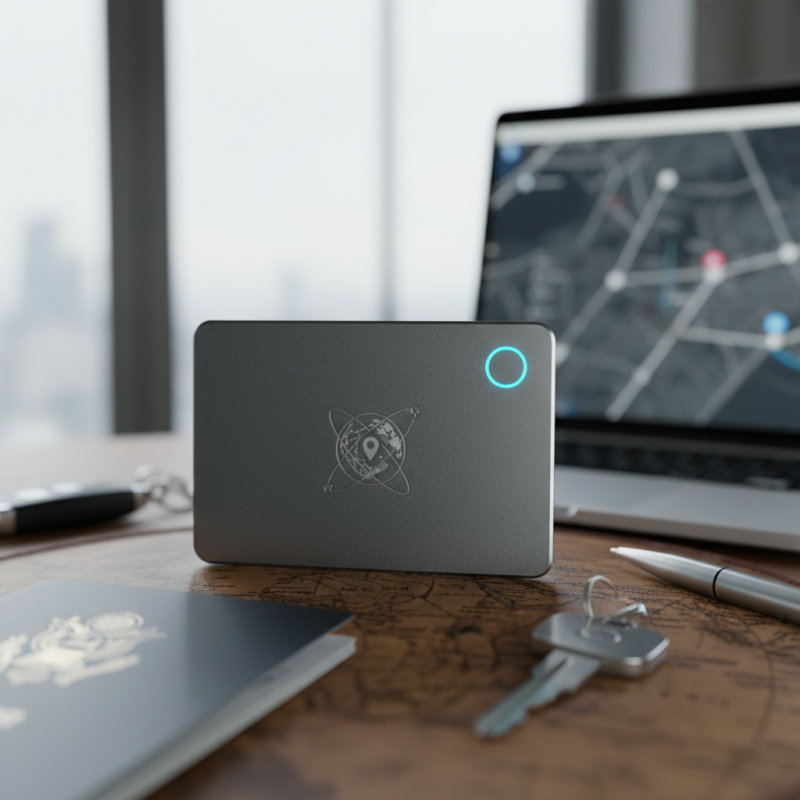
Smart tracker cards are becoming vital for global buyers. These compact devices help locate items like keys or bags. Their technology provides users with convenience and peace of mind in an increasingly hectic world. Understanding smart tracker cards can enhance your shopping experience, especially when traveling.
These devices often rely on Bluetooth and GPS to function. They connect to a smartphone app, allowing users to track lost items easily. However, some cards may struggle with range limits. Knowing the specifications can prevent frustration. Battery life is another aspect to consider; shorter battery life can limit usability. Regular charging becomes a necessary task.
Not all smart tracker cards offer the same features. Some may lack essential functionalities like crowd location tracking or geofencing alerts. It's crucial to assess your needs carefully. High prices do not always equate to better quality. Researching user reviews and expert opinions can shed light on reliability. Emphasizing practicality will lead to a more satisfying choice.
Key Features to Consider When Choosing a Smart Tracker Card
When selecting a smart tracker card, there are essential features to consider. Look for compactness and weight. A sleek design makes it easy to carry. Lightweight cards won’t add bulk to your wallet. Comfort in use is not to be overlooked.
Battery life is crucial. The best tracker cards should last several months on a single charge. Frequent recharging can be frustrating. Users often find themselves needing constant battery replacements. Explore options that offer replaceable batteries for longevity.
Connectivity is another vital aspect. Many smart tracker cards use Bluetooth technology. It provides real-time tracking but has a limited range. Ensure the card you choose has a reliable connection. Some devices struggle with connection drops. This can lead to unnecessary stress. Consider the card’s range and how it fits your needs.
Comparing Different Types of Smart Tracker Cards on the Market
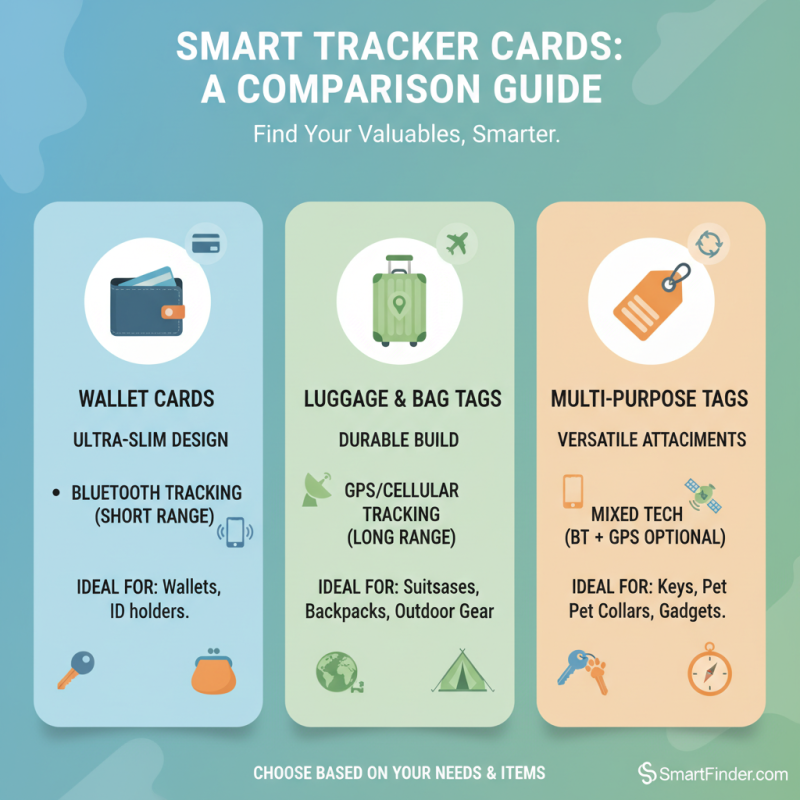
When choosing a smart tracker card, it’s essential to understand the different types available. Options vary widely, catering to various needs. Some are designed for wallets, while others are suitable for luggage or personal items. Each type has unique features and capabilities. For instance, some cards use Bluetooth technology, while others rely on GPS. Consider what you will attach the card to before making a decision.
Battery life and range also differ among smart tracker cards. Some last several months, while others may require frequent charging. It’s helpful to think about where you'll be using the tracker. Do you need a long-range option or something for short distances? Features like interchangeable batteries or robust app support can enhance usability. But keep in mind, not all apps are user-friendly, leading to frustrations.
In addition, security is a vital factor. Some cards offer encryption and advanced security features to protect your location data. However, not all manufacturers prioritize user privacy. Check for reviews and feedback from other users. Their experiences can provide insight into the card's reliability and effectiveness. Choosing the right smart tracker card involves balancing these aspects with your specific needs and expectations.
Evaluating Battery Life and Connectivity Options in Tracker Cards
When selecting a smart tracker card, battery life and connectivity options are critical. A reliable device should have a long-lasting battery. Many models offer battery life ranging from a few months to over a year. Choosing one with a replaceable battery might also extend its usability. Make sure to check how often you need to charge or replace it.
Connectivity is another key aspect. Most tracker cards use Bluetooth, which is convenient but has a range limitation. Consider how far you typically need to track your items. Some cards incorporate cellular connectivity, allowing for broader tracking capabilities. However, those may come with additional costs.
Reflect on your usage habits. If you often misplace items in crowded places, a card with robust connectivity can be beneficial. There's a balance to find. Sometimes, high-end technology may complicate the user experience. Simplicity might serve your needs better. Prioritize what works best for you.
Smart Tracker Card Battery Life and Connectivity Options
Assessing Privacy and Security Features of Smart Tracker Cards
When choosing smart tracker cards, privacy and security need careful evaluation. A recent survey indicated that 72% of consumers worry about their personal data security. These cards often connect to mobile apps, requiring users to share location data. This raises concerns. Not all manufacturers offer robust encryption protocols.
Assess features such as data access and user consent. Some cards allow users to manage who sees their information. Reports show that 65% of consumers prefer products with transparent privacy policies. Additionally, look for tracker cards with two-factor authentication. This security measure can significantly reduce unauthorized access.
Privacy is not just about securing data; it’s also about understanding risks. Some smart trackers store data in cloud services, which can lead to vulnerabilities. Moreover, companies may not disclose data handling practices. An independent report found that 40% of smart device users feel uncertain about data usage. Thus, clients must be proactive. They should review privacy settings and defaults before purchasing.
Tips for Using Smart Tracker Cards Effectively in Daily Life
Smart tracker cards have become essential tools for daily life, especially for global buyers. According to a report from the Global Consumer Tracker Association, 70% of users find tracker cards helpful in managing their belongings. These devices have been shown to reduce lost item reports by as much as 50%.
To maximize the effectiveness of smart tracker cards, it is vital to integrate them into daily routines. Attach them to important items like keys, wallets, or bags. This habit can streamline your life significantly. A study conducted by the Tech Utility Institute indicated that consistent usage enhances users' confidence in their personal organization.
However, it’s important to reflect on potential pitfalls. Over-reliance on technology can lead to disorganization in other areas. Users may neglect traditional methods of item management, causing frustration when items are misplaced without a tracker. Balancing tech usage and mindful organization can be a challenging but rewarding endeavor.
Price Range and Value for Money: Making Informed Decisions
When buying smart tracker cards, price range plays a crucial role. According to a recent market analysis, the average price for effective smart tracker devices ranges from $20 to $100. It's important to evaluate what features you really need. Many options in the lower price range may lack advanced functionalities, while premium devices offer enhanced reliability and performance.
Consider your specific needs before making a decision. A report from the International Data Corporation highlights that 45% of consumers prioritize battery life when selecting these devices. A lower-priced tracker may offer a short battery life, resulting in regular replacements. This can lead to additional costs over time, undermining the original savings.
Value for money should also be assessed. Some economical models might use outdated technology, which compromises effectiveness. On the other hand, high-end trackers may provide in-depth tracking, receiving regular firmware updates and support. Be mindful of your investment. Balancing price and features is vital for making informed decisions in the competitive market of smart tracker cards.
Enhancing Everyday Life: The Impact of Smart Bluetooth Air Tag Trackers in Reducing Loss and Improving Recovery Rates for Valuables
The advent of smart Bluetooth Air Tag trackers has revolutionized the way we manage and protect our belongings. With their compact design and advanced technology, these devices significantly reduce the likelihood of losing valuables. By simply attaching a tracker to items such as keys, wallets, or bags, users can keep a close eye on their possessions in real-time. The integration of Bluetooth technology allows for seamless connectivity with smartphones, enabling users to pinpoint the exact location of their items whenever they are misplaced.
Moreover, the impact of these trackers extends beyond mere prevention; they enhance recovery rates significantly. In the unfortunate event that an item is lost, the tracker’s built-in features facilitate quick retrieval. The ability to make the tracker emit a sound ensures that lost items can be found easily, while the location history provides valuable insights into where the item was last seen. These functionalities not only save time and reduce stress but also instill a sense of security, knowing that even if something goes missing, the chances of recovering it are remarkably high. With smart Bluetooth Air Tag trackers, managing everyday life becomes not only more efficient but also a lot less stressful.
FAQS
: Battery life ranges from a few months to over a year. Look for replaceable batteries to extend usability.
Connectivity affects tracking range. Bluetooth is common but limited. Cellular options allow for broader tracking, often at higher costs.
Consider where you often misplace items. High connectivity may help in crowded places. But sometimes, simple options are better.
Many users worry about data security. Some cards require location sharing, and not all use strong encryption methods.
Some cards let you control data access and user consent. Transparency in privacy policies is important for most consumers.
Prices typically range from $20 to $100. Evaluate features carefully to avoid overspending on unneeded functions.
Lower-priced models might have short battery life, leading to frequent replacements. This can increase overall costs unexpectedly.
Seek trackers with two-factor authentication and clear data handling practices. This helps reduce unauthorized access risks.
Some economical models may use outdated technology, compromising performance. Consider updated options for better effectiveness.
Balance price with essential features. Read reviews and ensure the investment matches specific needs for lasting value.
Conclusion
The article "Smart Tracker Card Tips for Global Buyers: How to Choose the Best?" provides a thorough overview of Smart Tracker Cards, outlining their key features and various types available in the market. It emphasizes the importance of evaluating essential attributes such as battery life, connectivity options, and privacy features to ensure the right choice for individual needs.
Moreover, the piece offers practical tips for effectively integrating Smart Tracker Cards into daily life, alongside guidance on price ranges to help consumers make informed purchasing decisions. By addressing these critical aspects, the article equips global buyers with the necessary knowledge to select the best Smart Tracker Card that aligns with their lifestyle and security requirements.
 Smart Glasses
 Smart Ring
 Smart Locator


 +86 18927400980