These days, with how hectic everything is, losing your keys totally happens more often than you'd like—trust me. I read somewhere that, on average, folks end up losing about 7 to 10 sets of keys in their lifetime. Crazy, right? It really shows why having a good solution like a Keys Locator can be a total lifesaver. It’s one of those gadgets that saves you time and, honestly, a lot of headache by helping you find your keys quickly when they’re hiding somewhere random.
Tom Harrison, who’s pretty much an expert in tracking tech and the CEO of TrackIt Solutions, puts it nicely: “Investing in a Keys Locator isn’t just about convenience; it’s about having peace of mind.” That really hits home, because losing your keys is more than just annoying—it can throw off your whole day and even pose security worries.
The market for Keys Locators has definitely come a long way. There are some pretty cool products out there now that help you keep track of your stuff. But, let’s be real—some of these gadgets aren’t perfect. Things like connection problems or running out of battery can get pretty frustrating. So, it’s good to know what to look out for when picking one. With a bit of research and the right device, that everyday hassle of losing your keys can become a simple, easy fix instead of a full-blown headache.
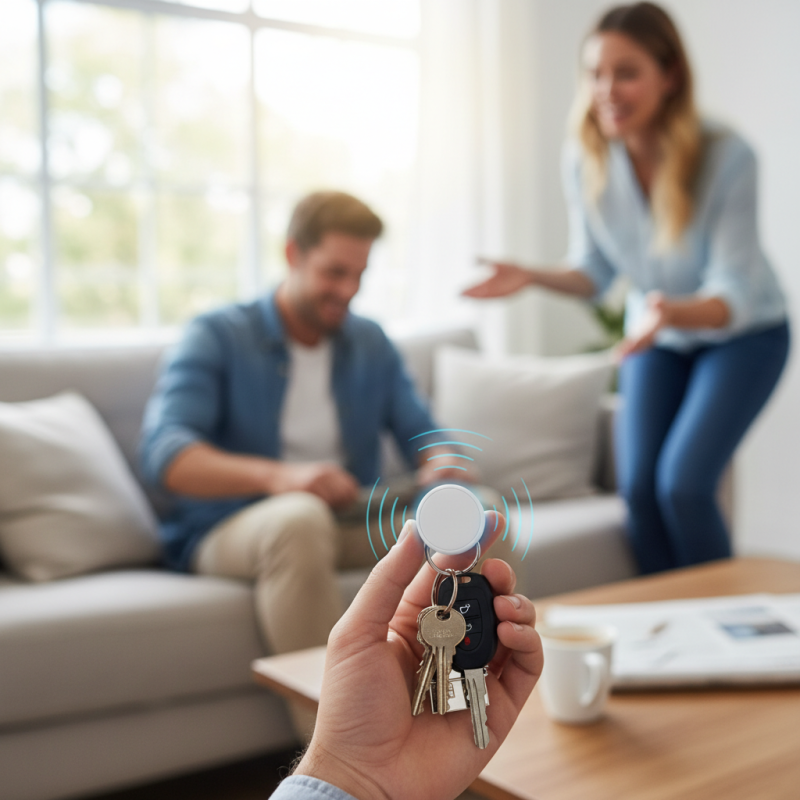
Understanding Key Locators: What They Are and How They Work
Understanding key locators can significantly enhance your ability to find lost keys quickly and efficiently. Key locators employ radio frequency technology, which means they send signals to locate missing items. According to a recent study, nearly 19 million keys are lost every year in the United States alone. This statistic emphasizes the need for a reliable solution.
These devices typically consist of two components: a keychain attachment and a receiver. Attach the keychain to your keys, and keep the receiver handy. When keys are lost, press a button on the receiver. The keychain emits a sound, guiding you to your keys. However, the effectiveness of key locators depends on battery life and proximity. Some users report frustration when their devices fail to work as expected.
Moreover, a research report shows that about 30% of people feel anxious when they lose their keys. This anxiety can be fueled by past experiences of lost items. Key locators can ease that stress, yet they are not foolproof. They can be misplaced or run out of battery just when you need them. Awareness of these limitations is crucial. Ultimately, investing in a key locator can save time and reduce stress, but it is vital to use them thoughtfully.
Types of Key Locators: Choosing the Right One for Your Needs
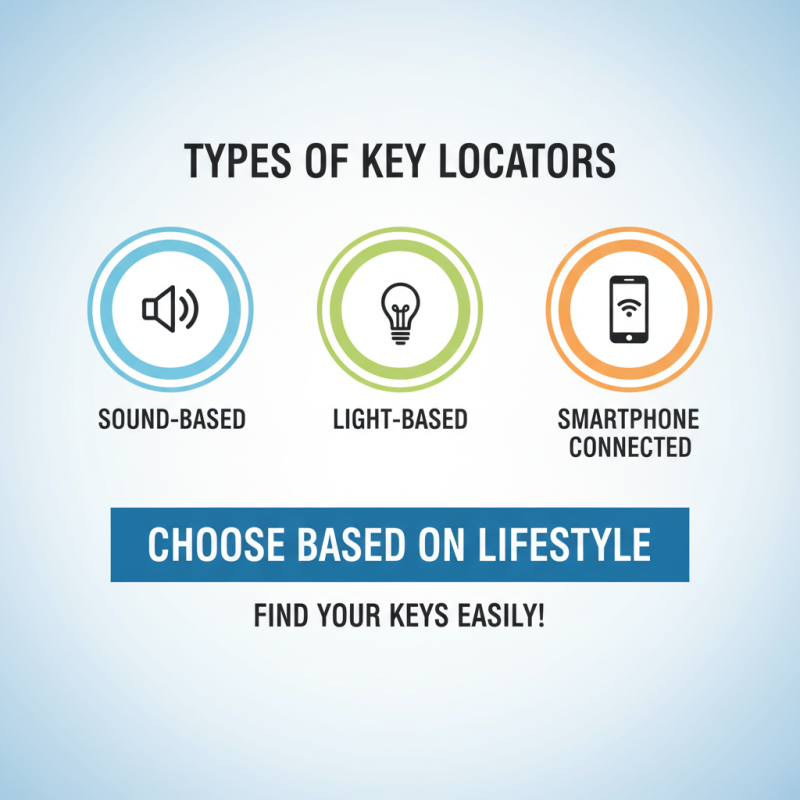
When looking for key locators, it's important to know the types available. There are various models designed for specific needs. Some use sound, while others rely on light. Certain devices connect to smartphones for added convenience. Choose wisely based on your lifestyle.
Consider your environment. If you often lose keys at home, a sound locator may be effective. These devices emit a noise to help you find your keys. You simply press a button. For those who lose keys outside, a Smart Locator with GPS might be better. It shows your key's last known location on your phone.
Tips for choosing a key locator: Look for user reviews. They offer insights into real-world performance. Also, check battery life. A locator is useless if the battery dies quickly. Finally, think about size. A compact design is easier to carry.
Setting Up Your Key Locator: A Step-by-Step Guide
Setting up a key locator can significantly reduce the time spent searching for lost keys. Over 80% of individuals report misplacing items regularly. Thus, having a systematic approach to utilizing a key locator is essential for many people.
To begin, unpack the key locator and read the user manual thoroughly. Familiarize yourself with its features and functionalities. Most devices require charging before use. Make sure to invest adequate time to charge it fully. A fully charged device has better signal strength and longer battery life.
Next, attach the locator to your keys. Ensure it is securely fastened. Test the connection by using your smartphone or the remote feature to locate your keys within a short distance. It is practical to check this regularly, as a weak battery can impair functionality.
Tip: Regularly replace the batteries as needed, even if the locator seems to work. Sometimes, they may fail when you need them most.
After setting up, personalize your locator's settings. Adjust the volume and sensitivity as per your daily routine. Setting reminders can help maintain its readiness. A small 5% increase in frequency can ensure you are aware when a low battery is approaching.
Tip: Keep your keys in a designated place, reducing the need to rely on the locator. It may seem basic, but habits take time to build. Regular practice can help create a seamless routine.
Using Your Key Locator: Best Practices for Effectiveness
Finding lost keys can be a frustrating experience. A key locator can save time and reduce stress. To maximize its effectiveness, follow some best practices.
Begin by attaching the key locator to a designated keychain. This consistency helps you remember where to find it. Make a habit of keeping your keys in the same place when you arrive home. When you misplace them, you can narrow down your search quickly. Having a clutter-free space is crucial. A tidy environment makes it easier to spot your key locator when it beeps.
Use the app or manual controls periodically to familiarize yourself with the device. Some users forget how to use the locator. Setting regular reminders can help. Additionally, practice locating your keys when you know where they are. This builds muscle memory for your ears and eyes. Sometimes, the device might not work perfectly. Reflections or interference can confuse the signal. Experiment with different environments to see where it works best.
Troubleshooting Common Issues with Key Locators
Key locators have gained popularity as effective tools for finding lost keys. However, users often encounter common issues that hinder their effectiveness. A recent survey found that approximately 28% of key locator users reported connectivity problems. These problems usually arise when the device is out of range. Maintaining a distance of less than 100 feet is crucial for optimal functionality.
Another frequent issue involves battery life. Many Key Locator Devices have batteries that can drain quickly, especially if used frequently. According to industry reports, about 40% of users replace batteries more often than expected. Regularly checking battery status can prevent unnecessary frustration. Some devices have low battery alerts, but not all do. This lack of visibility can lead to missed opportunities for retrieval.
Lastly, interference can impact performance. Wi-Fi signals or other electronic devices can disrupt the signal between the key locator and the smartphone. In fact, research indicates that nearby wireless devices can reduce the effectiveness of key locators by up to 30%. Users should consider the environment when using these tools. Being mindful of potential interference can lead to a more successful search and help improve the overall experience.
Maintaining Your Key Locator: Tips for Longevity and Performance
Maintaining your key locator is crucial. A well-maintained device can last years. Reports indicate that over 25% of users face performance issues due to neglect. Regular upkeep keeps it working effectively.
Here are some tips for longevity:
1. **Keep it Dry**: Moisture is damaging. Avoid using it in wet conditions. If it gets wet, dry it immediately.
2. **Replace Batteries Promptly**: Weak batteries can cause signal loss. Studies show that 40% of devices fail due to battery issues. Change them regularly.
3. **Store Properly**: Avoid excessive heat or cold. Extreme temperatures can affect performance. A stable environment is key.
Each of these points matters. Overlooking simple maintenance can lead to frustrating moments. Ask yourself: Am I doing enough? Small efforts can have big impacts.
How to Use Keys Locator to Find Lost Keys Effectively? - Maintaining Your Key Locator: Tips for Longevity and Performance
| Aspect | Details |
| Key Locator Type | Bluetooth, GPS, RF |
| Battery Life | 6 months to 2 years depending on usage |
| Range | Up to 100 feet for Bluetooth, 300 feet for RF |
| Maintenance Tips | Regularly check battery; clean the locator; update the app |
| Lost Key Finding Steps | 1. Ensure locator is charged. 2. Use the app to ring the keys. 3. Follow the locator's guidance. |
Exploring Additional Features of Key Locators for Enhanced Use
Key locators have become essential tools for many people today. They help users find misplaced keys quickly, but the other features they offer are often overlooked. Many devices now come with additional functions, such as smart alerts and smartphone syncing. This makes them even more valuable in our fast-paced lives.
Research shows that 1 in 4 people misplace their keys weekly. A good key locator can alleviate this stress. Some models allow users to attach a tag to other items like bags or wallets. This versatility adds layers to everyday use. According to a survey by a technology firm, 70% of respondents felt more organized with a key locator.
Battery life is another crucial aspect. Many devices offer a long-lasting performance, but not all. A key locator should not just find your keys; it should keep functioning reliably. Missed alerts can render it ineffective. Users often need to monitor the battery status actively. Overall, while key locators help locate lost items, their full potential lies in these enhanced features.
The Rise of Smart Tracking Devices: Analyzing the Global Growth and Market Trends for Bluetooth Locators in 2023
The global growth of smart tracking devices, particularly Bluetooth locators, has become a prominent trend in 2023. As consumers increasingly seek innovative solutions to keep track of their belongings, the demand for these devices has surged. Bluetooth locators, which help users locate items such as keys, wallets, or bags through smartphone apps, are revolutionizing the way individuals manage their personal belongings. This surge is driven by a combination of technological advancements, affordability, and a widespread shift towards adopting smart solutions in daily life.
Market trends indicate that the growth of Bluetooth tracking devices is fueled by their integration with smart home systems and wearable technology. As more households embrace smart technology, the functionality of tracking devices is enhanced, allowing users to manage multiple items seamlessly from their smartphones. Furthermore, the rise of e-commerce has made these devices more accessible, prompting a broader demographic to invest in smart tracking solutions. With the increasing emphasis on convenience and security, the trajectory of this market suggests robust growth as consumers become more aware of the benefits these devices offer.
Conclusion
Keys Locators are innovative devices designed to help individuals easily locate lost keys. Understanding how these tools work is essential, beginning with the various types available to ensure you choose one that best suits your needs. The article outlines a step-by-step guide to setting up your Keys Locator effectively, ensuring optimal functionality. Best practices for using the device are also shared, highlighting how to maximize its effectiveness in daily situations.
In addition to troubleshooting common issues that may arise with Keys Locators, the article emphasizes the importance of proper maintenance to enhance longevity and performance. Furthermore, it explores additional features that can enrich the user experience, making it even easier to keep track of your keys. With the right knowledge and care, a Keys Locator can become an invaluable tool in your everyday life.
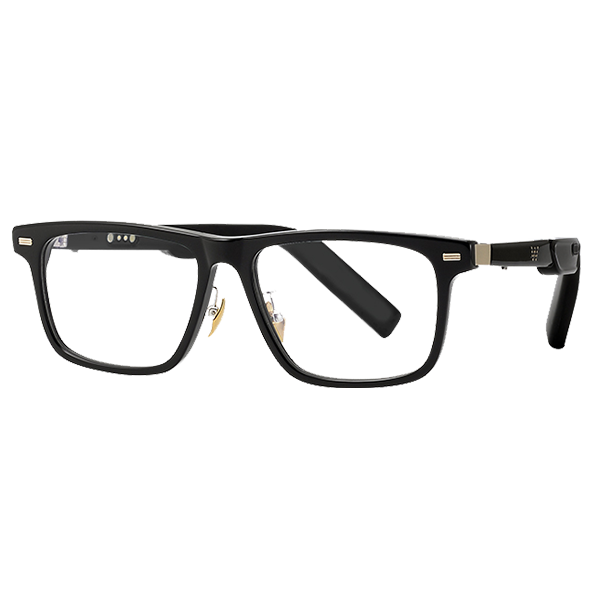 Smart Glasses
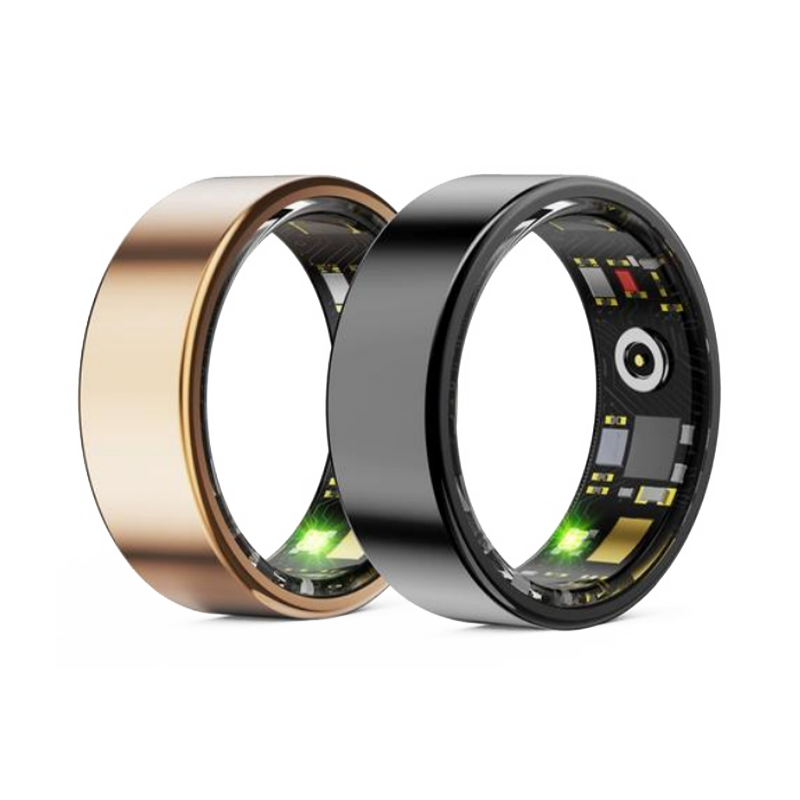 Smart Ring
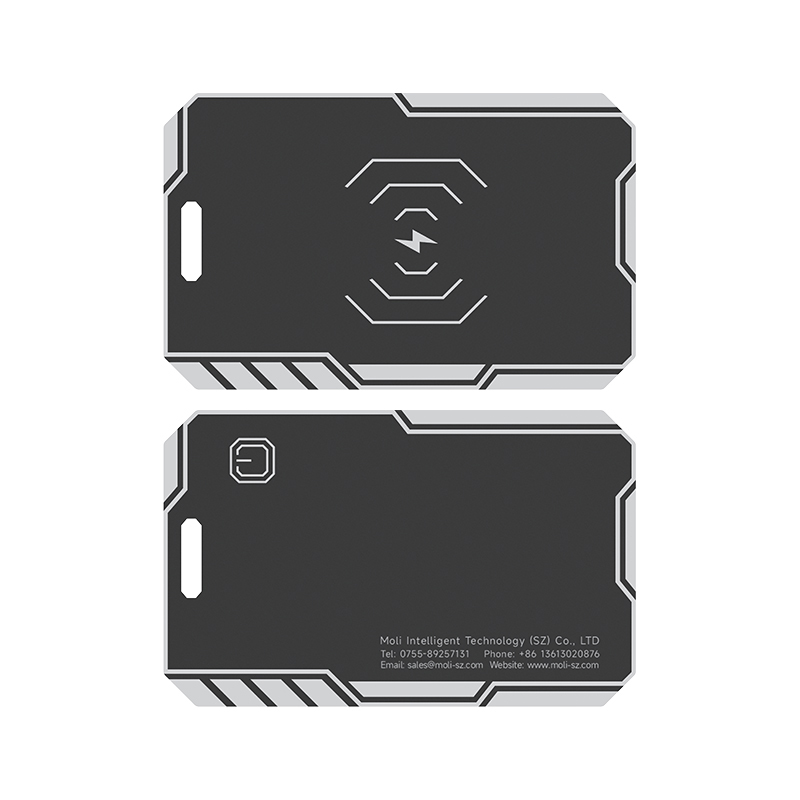 Smart Locator


 +86 18927400980