Blog

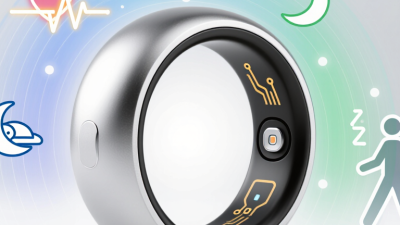
What Is a Wearable Technology Ring?

What Is a Wearable Technology Ring?

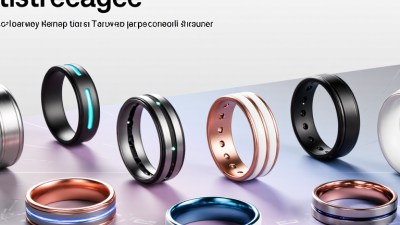
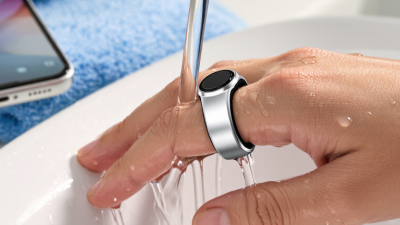
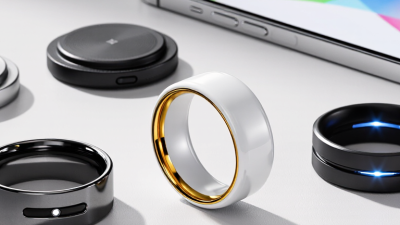
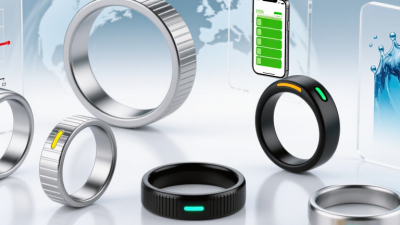
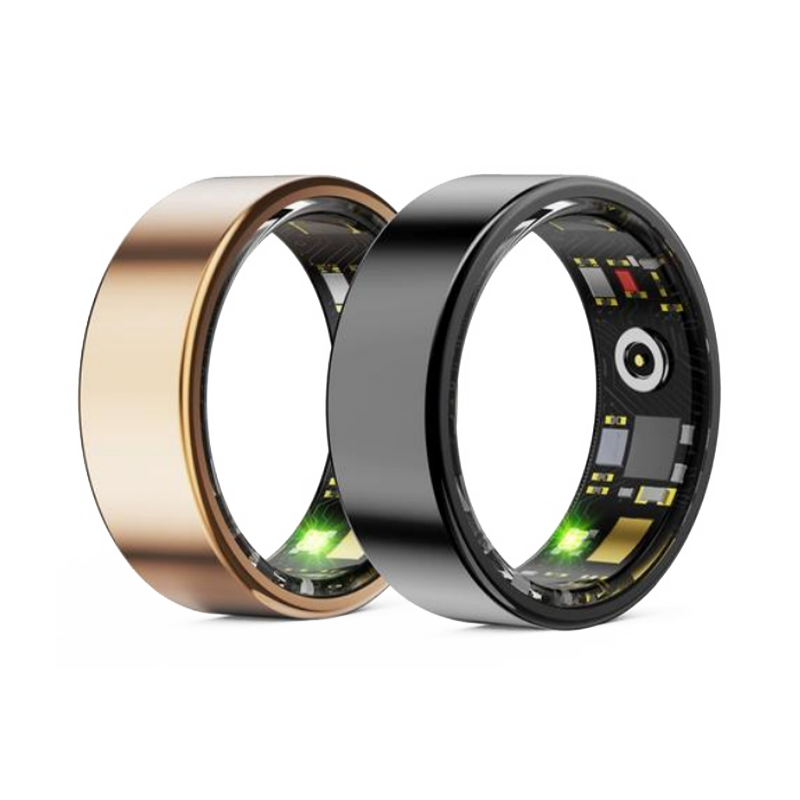
So, a wearable tech ring is basically a tiny computer you wear on your finger to keep tabs on things like your activity and certain health signals. Under that sleek little shell, there are sensors that can track movement, skin temperature, and even blood flow changes. Depending on the model, it might use all that data to guess how well you slept, check your heart rate, or count your daily steps. But let’s be clear—these are estimates, not a medical diagnosis. It’s small, but definitely not simple. So here's the thing about rings versus watches: you don't have a big screen to keep glancing at all day. Sure, it connects to an app on your phone, and that's where the magic happens—charts turn your overnight data into trends you can look back on. Fit is pretty important too. If it's too loose, it's not just annoying; it can mess with the sensors. And before you buy, you'll want to check stuff like battery life, how often you'll charge it, whether it can handle water, and if it actually works with your phone. Honestly, it's not always a flawless experience. Let’s be honest—if you forget to charge it or it doesn’t sit quite right on your finger, even a really useful tracker can start to feel like just another chore. And the data isn’t always complete either, so one weird reading probably isn’t something to overthink. I’d say treat the ring more like a handy little log of your own patterns, not a stand-in for real medical advice. Once you understand what it can and can’t pick up, you’ll have a much better sense of whether this subtle wearable actually fits your everyday life.
Read more »
Liam By:Liam - November 8, 2026
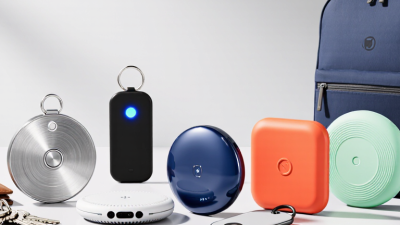
China Top 10 Lost Item Finder Manufacturers for Global Buyers

China Top 10 Lost Item Finder Manufacturers for Global Buyers

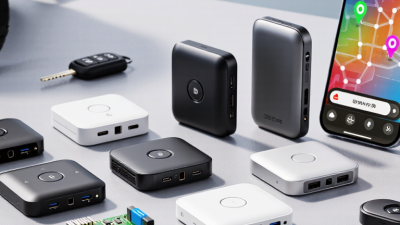
Sure, a lost item finder might seem like a tiny gadget, but buyers don't just look at it—they actually test the stuff that matters. How fast does it pair? Is the alert loud enough? What about battery life? And does it still work through a coat pocket or in a crowded room? That's where the real judgment happens. Here's the thing: Chinese manufacturers are all over the map when it comes to design skills, software support, production scale, and even how they communicate. So a slick product photo? That only gets you so far. Elena Park—yeah, she’s a fictional analyst, but hear me out—makes a good point: reliable findings start with a dependable connection and clear user feedback. I wouldn’t treat that as a hard performance promise, more like a useful lens. For buyers around the world, the real questions get pretty specific. How fast does the app actually reconnect? Can you swap out the battery yourself? Are the instructions easy to follow? And will the supplier keep sending consistent samples and update you on production? Little gaps can make a big difference. It’s funny how something so small can make you want to throw your phone across the room. You’re standing in a noisy station, waiting for that one important notification, and the alert? Barely a whisper. Suddenly, that super useful device feels absolutely useless. So, I put together this guide looking at ten China-based manufacturers side by side. It covers their product range, how much they can customize, the quality of their technical docs, their quality control processes, and export experience. That said, supplier capabilities aren't static—they can change. So don't take everything at face value. Double-check current specifications with them directly, request samples, and compare like for like. A shortlist is just a starting point, not the final answer. Honestly, even experienced buyers can miss something like a weak app or unclear warranty terms. That alone is worth a second look.
Read more »
Ethan By:Ethan - November 5, 2026
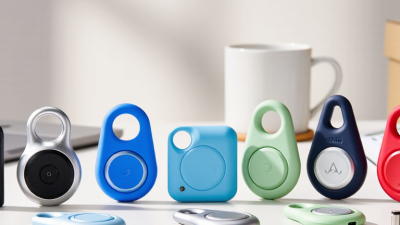
What Are the 7 Best Bluetooth Trackers in 2026?

What Are the 7 Best Bluetooth Trackers in 2026?

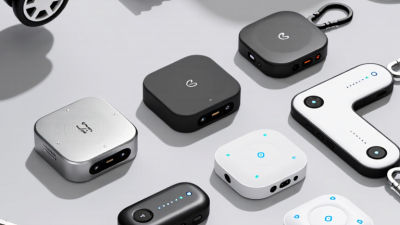
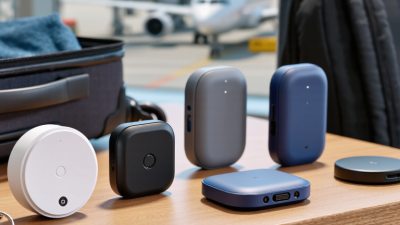
Losing your keys can really derail a peaceful morning—suddenly you’re digging under couch cushions, patting down coat pockets, and peeking by the front door. A Bluetooth tracker helps, sure, but it’s not magic. Range, whether it works with your phone, and how good the network coverage is all make a difference. So the best one for you really depends on what you’re trying to keep tabs on and what devices you’re already using. Look, Apple’s VP for iPhone marketing, Kaiann Drance, made a pretty big promise when AirTag launched: it would help people “keep track of and find the important items in their lives.” And sure, that’s the idea. But in the real world? Results are kind of all over the place. Sometimes the AirTag beeps when you're close, but if you're trying to find something farther away, you're basically hoping some random iPhone walks by with Bluetooth on. No tracker is flawless, honestly. Okay, so you're looking for a Bluetooth tracker? This guide walks through seven of the top options in 2026—stuff for keys, luggage, or just everyday carry. We get into the nitty-gritty: setup, how clear the app is, swapping out the battery, whether the alerts actually go off, and what privacy controls you get. Plus, I look at whether each one plays nice with iPhone, Android, or both. Let's be honest, a loud ring is a lifesaver when your keys vanish in a messy drawer. And no one wants to hunt down a special tool just to change a battery. You know how some features look amazing on the product page, but then you barely use them once you actually start using the thing? We'll call out those trade-offs. Just keep in mind that performance can vary depending on where you are and what phone you've got. So treat this comparison as a way to narrow down your options, not as a promise that it'll find every single thing you misplace.
Read more »
Liam By:Liam - November 2, 2026
10 Best Wearable Technology Rings to Buy in 2026

10 Best Wearable Technology Rings to Buy in 2026

Smart rings aren’t just a weird tech flex anymore—they’ve actually become legit health and activity trackers. According to IDC, wearable shipments worldwide hit 537.9 million in 2024, which really shows how much people want compact, personal tech. Sure, smart rings are still a pretty small slice of that pie, but it’s not hard to see why they’re appealing: a light little band can track your sleep, heart rate, and daily movement, no screen needed. Tiny device, huge expectations. So, Grand View Research put the global smart ring market at around $314.5 million back in 2023, and they're expecting it to keep growing through 2030. Which is exciting—but honestly, that kind of momentum doesn't mean every ring out there is going to work for you. That's where this guide comes in. We've rounded up the 10 best wearable tech rings to buy in 2026, and compared the stuff that actually matters: sizing, battery life, comfort, app features, and whether you're stuck paying a subscription. We also looked at how transparent each brand is about their measurements and data practices—because that's way too easy to overlook. Look, numbers are useful, but they only tell part of the story. You can have a sleep score that looks flawless on paper and still wake up feeling wrecked. And that ring? It might feel great in the store, but after hours on your finger, it could start to annoy you. That's why we don't just trust the specs and marketing—we also consider how these things actually work in everyday life. Health readings should be treated like helpful estimates, not official diagnoses. In the end, the right wearable ring is the one that fits your routine, not just the one that looks impressive in a comparison chart.
Read more »
Ethan By:Ethan - October 31, 2026
2026 Best Bluetooth Trackers for Global Buyers?

2026 Best Bluetooth Trackers for Global Buyers?

Bluetooth trackers have come a long way from being just a niche gadget – honestly, they're now a pretty standard part of everyday life. The Bluetooth SIG's 2024 Market Update shows that over 5.4 billion Bluetooth devices shipped back in 2023, and they're projecting that number could hit around 7 billion by 2028. That kind of growth really matters if you're shopping around for products from different brands, because compatibility has expanded to cover not just phones and tablets but also luggage, keys, and all sorts of travel gear. But just because a lot of devices are being shipped doesn't automatically mean they're reliable, you know? I mean, Apple, Google, and Samsung all have these big tracking networks, but they're not created equal. Coverage, app support, privacy controls—they're all pretty different. For instance, Apple's Find My works by pinging off any nearby Apple device, which is clever. Google's Find My Device is still getting bigger on Android, so it's a bit hit-or-miss depending on your hardware. And Samsung's SmartThings Find is really only useful if you're a Galaxy user. So yeah, it's a mixed bag. Hey, when you're picking one out, battery life is a big one, but seriously, don't sleep on the other stuff either. Like, can you swap the batteries out? How far away does it alert you? Is it actually waterproof or just splash-proof? And does the company even sell it where you live? All that deserves just as much attention. Not to mention, the little things can totally sneak up on you. I've learned that the hard way—sometimes it's the tiny, annoying details that end up mattering the most in the long run. You know, a tracker you can actually hear in a crowded airport might be way more useful than one that just brags about a longer range on paper. PCMag and TechRadar have run their own tests, and honestly, they keep finding real-world differences in sound, setup, and how reliable the app actually is. And sure, Grand View Research says smart trackers are a growing market, but let's be real—those numbers shift a lot depending on how you define things and which region you're looking at. That uncertainty? Yeah, it's worth paying attention to. So, you're looking for a Bluetooth tracker in 2026? We've put together this guide that compares the best options out there, but we're not just going by specs—we've actually used them. We're looking at how they fit into your day-to-day, the whole ecosystem thing, security settings, and what they'll cost you in the long run. But let's be real: no list is perfect. Sometimes a tracker just dies on you when the battery's empty, or maybe you're in a spot with not many other devices around, or you didn't quite get the settings right. So yeah, you still need to use your own judgment when buying.
Read more »
Ethan By:Ethan - October 28, 2026
How to Choose Augmented Reality Glasses for Business

How to Choose Augmented Reality Glasses for Business

Let’s be real for a second – picking out AR glasses for your business isn’t just about grabbing the latest gadget off the shelf. It’s a whole bigger deal: it affects your people, your day-to-day workflows, the data you rely on, and whether you actually get results you can measure. Sure, that shiny display might look awesome when they demo it for you in a sleek meeting room. But wait until you put it right next to a noisy production line – then you’ll see if it still holds up. You know, Ori Inbar—co-founder of AWE—calls augmented reality 'the next major computing platform.' That's a big deal, and it gives business folks some context. These AR glasses can handle a ton of stuff: remote assistance, guided assembly, inventory checks, field inspections, training, and 3D visualization. But the real kicker is, the right pair should cut down on steps, not just add another screen to manage. So when you're shopping around, look at the weight, battery life, field of view, voice controls, camera quality, connectivity, and how tough they are. Honestly, you don't want something that dies in a few hours or breaks easily. Honestly, if you're a worker and you've got those glasses on for six hours straight, you'll be noticing every gram – no question about it. Look, when it comes to business software or tools, nothing beats real-world testing. Yeah, a nice brochure is pretty, but it doesn't tell you squat about how it works when it's actually used in the trenches. So get a prototype out there—into a real warehouse, a busy clinic, a noisy factory floor, or even a service vehicle. You need to check if the text on the screen is still readable under harsh lighting, maybe when the sun's glare hits it. And don't just guess—measure how long tasks take, how many mistakes people make, how comfortable it feels, and what kind of training they'll need. Also, make sure it plays nice with your existing software, mobile devices, and security systems. Oh, and privacy is a big one—especially if you've got cameras running near employees, customers, or any confidential equipment. That's a whole can of worms you don't want to open. Honestly, no buying guide is perfect. Costs shift, software support can fade, and sometimes your own team will dig their heels in—even when the benefits are obvious to management. But that resistance isn't a headache; it's actually a goldmine of information. So when you're picking a supplier, go for someone who's upfront about specs, has solid support, commits to updates, and can show you real references from companies like yours. Start small with a pilot project. Expect failures—learn from them. Then scale up gradually, based on what you've actually seen work, not just the hype.
Read more »
Ethan By:Ethan - October 26, 2026
2026 Best Wearable Technology Glasses for Global Buyers

2026 Best Wearable Technology Glasses for Global Buyers

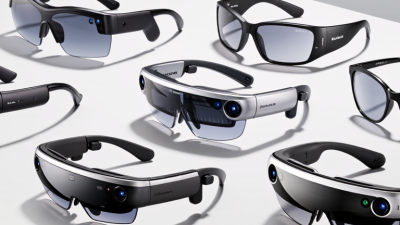
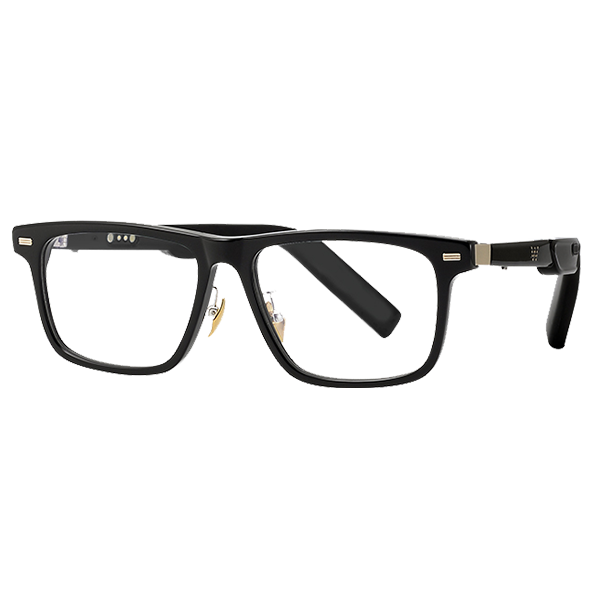
Picking the best wearable tech glasses for 2026? It’s not just about camera specs or the battery life printed on the box. Buyers around the world really need proof—how comfortable they are, what the privacy controls are like, how long the software gets supported, whether you can repair them, and if they’re even available in your region. I mean, a light frame can still start to feel heavy after eight hours. And a super bright display? Direct sunlight can make it a pain to read. Steve Mann—pretty much one of the pioneers of wearable computing—put it simply: 'Wearable computing is a new form of human-computer interaction.' And honestly? That take still holds up. The best wearable technology glasses shouldn't make you constantly fiddle with them. They should just support what you're naturally trying to do. Maybe that's navigation, hands-free translation, remote assistance, industrial training, or accessibility support. And here's the catch: each of those uses needs different sensors, controls, and safety expectations. So, this guide takes a look at some of the top products out there from names like Meta, Ray-Ban, Vuzix, XREAL, and Even Realities. We dig into what they're actually like to use day to day—stuff like optical performance, how good the mic is, whether they get hot, charging habits, and how well they play with your existing ecosystem. We also check if brands are upfront about how they collect your data. Specs might look nice and precise on paper, but real life can be messy: prescription lenses, weather, skin tone, network quality, local services—all of that can change how they perform. And honestly, that's pretty easy to forget. Honestly, no product's perfect. Some models nail the audio but skimp on the display. Others look amazing but aren't comfortable enough to wear all day. That's why independent testing still matters—especially when it's hard to compare what companies claim. So here's a practical rule for buyers around the world: pick the glasses that fit the task, the person wearing them, and the region—not just whatever looks coolest.
Read more »
Liam By:Liam - October 24, 2026
How to Choose the Best Wallet Tracker Bluetooth Device?

How to Choose the Best Wallet Tracker Bluetooth Device?

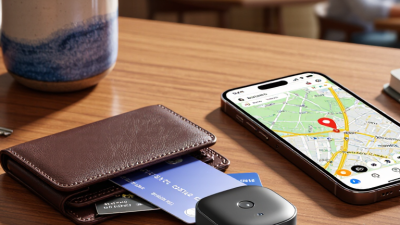
Choosing the best Wallet Tracker Bluetooth device requires more than comparing prices and advertising claims. The right model should fit your daily routine, wallet size, phone system, and security expectations. A tracker that works well for a thick travel wallet may feel uncomfortable in a slim cardholder. Small details matter. In practical use, check Bluetooth range, battery life, alert volume, tracking network support, and companion app quality. A useful device should connect quickly beside a café table or office desk. It should also send a reliable separation alert when your wallet is left behind. Look for clear specifications from established brands such as Apple, Chipolo, or Tile. Their support pages can reveal compatibility limits, replacement policies, and privacy controls. Do not trust range figures alone. Walls, metal surfaces, crowded signals, and phone settings can reduce performance. Privacy deserves equal attention. Review location permissions, account protection, and data-sharing explanations before pairing the device. Some trackers depend heavily on nearby phones, while others provide more direct location features. Neither approach is perfect. A louder speaker may improve recovery but increase attention in public. A thinner design may sacrifice battery capacity. Think about those trade-offs honestly. Your experience matters more than a glossy ranking. Test the tracker at home, in a vehicle, and during a short walk. Record connection delays and false alerts. Then compare those observations with the manufacturer’s claims. The best choice is not always the most expensive model. It is the device that remains dependable, comfortable, and understandable during ordinary mistakes.
Read more »
Sophia By:Sophia - October 20, 2026
Why Choose a Waterproof Smart Ring for Global Buyers?

Why Choose a Waterproof Smart Ring for Global Buyers?

If you're buying from anywhere in the world, a waterproof smart ring can be a lot more than a tiny health gadget. It can track your day through commutes, workouts, trips, and all those boring household routines. And a ring that can handle rain or a quick hand wash? That's pretty handy when your phone is buried somewhere in your bag. Its slim shape also works well for people who just don't like wearing a bulky watch. That said, 'waterproof' should never be an excuse to treat it carelessly. Water resistance has limits, so check the manufacturer's rating, what conditions they tested it under, and what the warranty actually covers. Buying well takes more than pretty product photos. You'll want to look at sensor accuracy, battery life, charging setup, app compatibility, and how the company handles your data. Independent reviews can tell you whether sleep tracking still holds up after several nights. Real-world workplace testing might show whether the ring stays comfortable under gloves or on long flights. These details matter because people live in different climates and have different routines. A good supplier should be clear about materials, certifications, software updates, and after-sales support. Oura, Samsung, and Ultrah have definitely helped put smart rings on the map, but each product still deserves its own look. The best choice isn't always the priciest one. It's the ring that fits your actual habits. A frequent traveler might care most about reliable charging and wide phone compatibility. A swimmer may need much clearer guidance on depth and how long it can be exposed. Some claims sound great, but daily performance can vary from person to person. That's a real limitation. Global buyers should compare verified specs, user experiences, and regional service options before placing an order. A waterproof smart ring can be useful, durable, and discreet—but going in with realistic expectations is what makes the purchase feel dependable.
Read more »
Liam By:Liam - October 16, 2026
Top Affordable Smart Rings for Global Buyers?

Top Affordable Smart Rings for Global Buyers?

Smart rings are kind of growing up. They used to feel like niche wellness gadgets, but now they're edging into everyday health tech. Grand View Research expects the global smart ring market to keep expanding strongly through 2030, and its Smart Ring Market Size, Share & Trends Analysis Report points to health monitoring and wearable convenience as big reasons why. IDC's Worldwide Quarterly Wearable Device Tracker also shows that demand for connected wearables isn't slowing down around the world. That said, smart rings are still a smaller category. And honestly? Their value comes down to practical details, not glossy marketing promises. This guide takes a look at the top affordable smart rings for buyers worldwide. The main question is pretty simple: what does an affordable smart ring actually give you for the price? We compare things like sleep tracking, heart-rate monitoring, battery life, sizing, app quality, warranty support, and subscription costs. Samsung Galaxy Ring and Oura Ring are useful examples because they show two different pricing approaches. Some cheaper brands might pack in impressive sensors, but the software can be weaker or regional support can be limited. That matters more than you'd think—especially when an app won't sync reliably after a long flight. Independent validation matters too. The American Academy of Sleep Medicine cautions that consumer sleep tech shouldn't replace a clinical diagnosis. A ring can show patterns. It can't confirm a medical condition. Privacy policies deserve just as much scrutiny, especially when health data crosses borders. No ranking is perfect. Prices, shipping fees, and features change all the time. So this review leans toward transparent specs, tested user experience, and realistic ownership costs. It might still miss regional discounts. Worth admitting, right? Good buying advice should leave some room for doubt—not pretend it doesn't exist.
Read more »
Liam By:Liam - October 13, 2026
China Top 10 AI Powered Glasses Suppliers for Global Buyers

China Top 10 AI Powered Glasses Suppliers for Global Buyers

So, AI-powered glasses? They're not just lab experiments anymore. They're actually becoming useful tools for things like logistics, healthcare, manufacturing, tourism, and even everyday chatting. And global buyers? They expect way more than just a camera, a speaker, and a stylish frame. Nope, they want stable image capture, low-latency voice interaction, reliable battery life, clear privacy policies, and production that can scale. Industry reports? They show why doing your homework on suppliers really matters. Grand View Research says the global smart glasses market is going to grow like crazy through 2030, thanks to AR, AI, and businesses jumping on board. Fortune Business Insights also points to industrial uses as a big growth driver. But here's the catch: market estimates vary depending on how you define things. Some reports include audio glasses without displays, while others only count AR devices. So yeah, simple rankings? They're never perfect. China has a super dense manufacturing ecosystem for AI-powered glasses. It's got optical engineering, electronics assembly, battery sourcing, software development, and tons of export experience all in one place. Companies like Rokid, RayNeo, Even Realities, Shenzhen Good-Ark Electronics, and other specialized manufacturers? They each bring different strengths and market positions. Bottom line: not every supplier is a good fit for every project. This guide takes a look at China's top ten suppliers for global buyers. We're looking at product maturity, optical performance, customization, certifications, MOQs, after-sales support, and production evidence. Sure, technical demos can look amazing under bright showroom lights. But real-world performance? That can be a whole different story in warehouses, factories, airports, or under direct sunlight. And that gap? It really deserves your attention. Oh, and supplier websites? They might not tell you the whole story. So before you sign any contracts, ask for test reports, sample units, firmware details, factory audits, and clear warranty terms. The companies we picked here are potential partners, not automatic final choices.
Read more »
Liam By:Liam - October 11, 2026
2026 Top Lost Item Finder Devices for Global Buyers?

2026 Top Lost Item Finder Devices for Global Buyers?

So you've lost your keys again? Or maybe your luggage didn't make it, or your work bag vanished somewhere between the hotel lobby and the airport shuttle. It happens, and it gets even more frustrating when you're juggling airports, hotels, and cities you don't know. A good Lost Item Finder can take some of that panic away, but let's be honest: no single tracker is perfect for everyone. In this 2026 guide, I'm comparing some of the main options for global users—Apple AirTag, Samsung Galaxy SmartTag2, Tile, Chipolo, and Pebblebee. Just keep in mind that availability, pricing, and app features can differ a lot depending on where you live. In my view, real-world performance beats a fancy feature list every time. So I'll look at things like Bluetooth range, crowd-network coverage, battery life, water resistance, phone compatibility, and privacy controls. A tracker might ring nice and loud in a quiet apartment, but then struggle in a busy terminal. Some models have replaceable batteries; others are rechargeable, which is handy but means you actually have to remember to charge them. Those little differences start to matter on business trips or family holidays. This comparison is about practical ownership, not marketing hype. I'll consider setup time, alert accuracy, sound volume, and how quickly you can actually recover your stuff in everyday situations. Where possible, I'll lean on independent technical guidance and manufacturer specs. But testing has limits, of course. Network coverage shifts based on location, how people use their phones, and local adoption. A device that gets great reviews might flop in a rural area. Worth keeping in mind. If you're buying globally, also check regional compatibility, warranty terms, data settings, and whether the retailer is reliable. The best Lost Item Finder isn't always the most advanced one. It's the one that works consistently with your phone, your travel habits, and your budget.
Read more »
Liam By:Liam - October 9, 2026
10 Best Activity Tracker Rings for Global Buyers?

10 Best Activity Tracker Rings for Global Buyers?

Picking an activity tracker ring isn’t as simple as comparing screen size or battery claims. After all, you’re wearing the thing against your skin all day—so comfort, sizing, sensors, and software support all matter just as much. And if you’re buying from outside the US? Prices, shipping rules, subscription policies, and warranty coverage can vary a lot by region. This guide looks at some of the main options out there, from Oura, Samsung, Ultrahuman, RingConn, and other well-established brands. We cover sleep tracking, heart-rate monitoring, activity recognition, battery life, app quality, and data privacy. We also get into practical stuff: Does the ring feel okay while you’re typing? Is the charging dock easy to travel with? And how clearly does the app actually explain what happened overnight? Real-world use can be pretty eye-opening. A ring might track a quiet walk well but completely misread strength training. Skin tone, fit, movement, tattoos, and a loose fit can all affect the measurements. No device is perfect. Our comparisons are based on manufacturer info, independent testing when it’s available, and common user experiences—not just marketing talk. Health readings should help you be more aware of yourself, not replace professional medical advice. The best ring for you depends on your routine, phone, budget, and where you live. Some people may want a polished sleep platform; others may care more about avoiding a recurring fee. Availability changes. Prices do too. This overview is meant to help international shoppers compare the strengths and limitations before buying. It won’t answer every personal question, but hopefully it makes the important ones easier to ask.
Read more »
Sophia By:Sophia - October 7, 2026
2026 Top Affordable Smart Ring Types for Global Buyers

2026 Top Affordable Smart Ring Types for Global Buyers

Smart rings are gradually making their way out of the niche wellness gadget scene and into more everyday, practical wearables. This shift’s pretty significant, especially for global buyers who are eyeing factors like price, comfort, privacy, and whether it’s actually worth it in the long run. According to Grand View Research, the worldwide smart ring market is expected to grow quite a bit through 2030 — mainly because more people are interested in sleep tracking, heart rate monitoring, and contactless payments. On top of that, Counterpoint Research noted that shipments of smart rings have been booming year after year in 2024. Still, it’s worth mentioning that this market is tiny compared to the smartwatch scene, so it's more of a niche thing right now. Now, in the more affordable segment, you’ll find a bunch of different types. Some rings are all about health—they track sleep stages, resting heart rate, skin temperature, or recovery data. Others are geared towards fitness, focusing on activity levels, workout load, and battery life. And then there are the payment rings, which may use NFC technology to handle contactless payments — but whether they work for you really depends on your bank, platform, and local rules. Some models let you track key health metrics without needing a monthly subscription, which is pretty great. Others keep the upfront cost lower but add ongoing software fees, so it’s a bit of a trade-off. And honestly, that difference can turn out to be pretty pricey in the long run. This guide is here to help you navigate the top affordable smart rings for folks around the world in 2026. We look at things like sensor quality, app support, sizing accuracy, water resistance, battery life, warranty details, and whether they work with Android or iOS. Based on IDC’s research, consumers now expect connected health gadgets to give useful data—it's not just about looking cool. But remember, data from a smart ring isn’t a medical diagnosis; it’s meant to increase your personal awareness, not replace professional healthcare. Market reports still don’t fully agree on how big the market will get or how many units will be shipped—so take those forecasts with a grain of salt. And if you actually get to test these gadgets, you might find some surprises: a lighter ring could feel more comfortable, but an inexpensive app might give you fewer insights. The thing is, the cheapest option isn’t always the best. Usually, it’s that model which stays useful and relevant after the initial hype wears off that really wins.
Read more »
Ethan By:Ethan - October 4, 2026
China Top Smart Tag GPS Tracker Manufacturers

China Top Smart Tag GPS Tracker Manufacturers

China’s really become a key hub for sourcing compact location tech these days. Smart Tag GPS trackers are now pretty common, and they’re used for everything—luggage, gear, cars, pets, and basically just personal belongings. These little devices often pack Bluetooth, GNSS, cellular, motion, and low-power components into tiny housings, making them discreet but powerful. If you’re looking into manufacturers based in China, there are a few practical things to keep in mind. Things like how accurate their tracking is, how long the batteries last, whether their network support is solid, and how stable their firmware is. And of course, the quality of their apps and how good their after-sales support is, too. Big names like Concox, Jimi IoT, Queclink, and Mictrack each come with their own strengths when it comes to hardware and connected devices. But heads up—product options and features can change quickly, so it’s always best to double-check the latest specs straight from the source. Details really matter here. A dependable tracker should give you consistent location updates whether you're near buildings, inside vehicles, or dealing with spotty network coverage. And don’t overlook the app—ideally, it should have easy-to-read maps, alert settings, history logs, and straightforward device management. Also, pay attention to waterproofing, how the charging works, support for different SIM cards, and standby battery life; those little things can make a big difference. And yeah, numbers can be tricky. A claimed battery life might look impressive but often depends on light usage, weak reporting intervals, or perfect outdoor conditions. So, it’s smarter to look at the experience of the manufacturer, their testing records, certifications, production capacity, and how well they communicate technically. I’ve compared some of the top manufacturers using this kind of evidence-based approach, but keep in mind—no device is perfect everywhere. Before using these trackers, make sure to check on consent, data privacy, and local rules. It might seem like a minor detail, but getting that sorted helps protect users and ensures the device works reliably in the long run.
Read more »
Ethan By:Ethan - October 2, 2026